Private Label Handbag Manufacturer: What Brand Buyers Need to Know
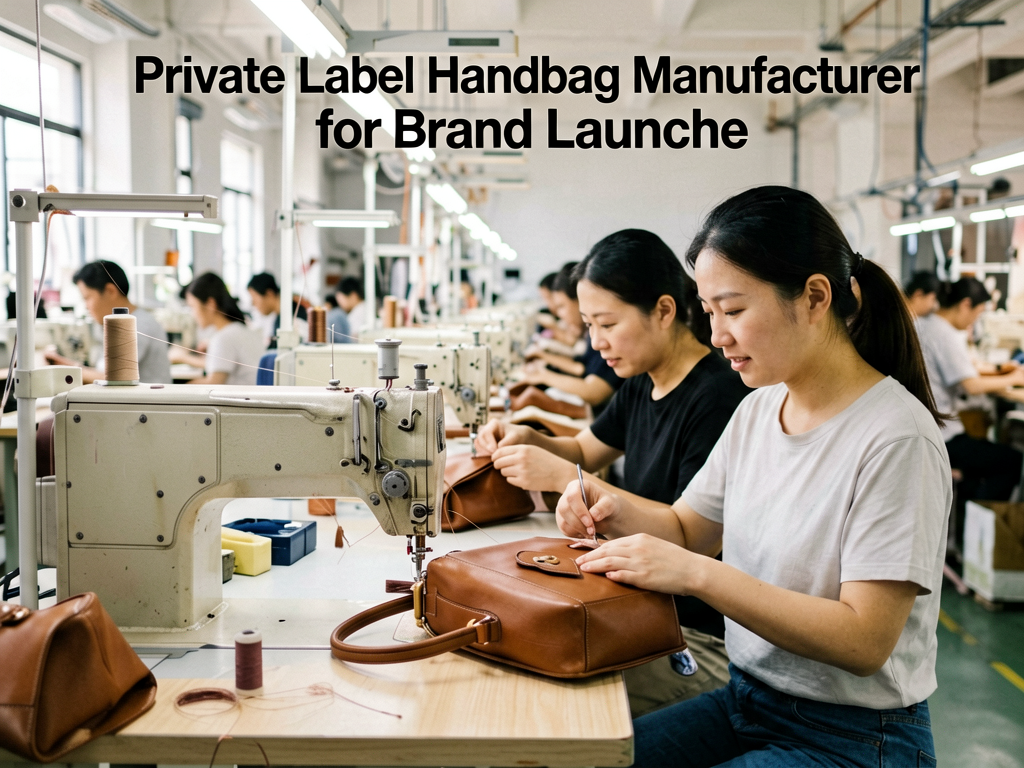
A private label handbag manufacturer helps B2B buyers create handbags under their own brand name without building a factory or starting every design from zero. For fashion brands, boutique labels, online sellers, and retail buyers, the goal is usually clear: develop a branded bag line with suitable materials, logo details, packaging, and production control.
This article focuses on the private label launch dimension, not a general factory selection guide. The key question is how a buyer can turn a handbag concept or existing reference style into a market-ready branded product.
What Private Label Handbag Manufacturing Includes
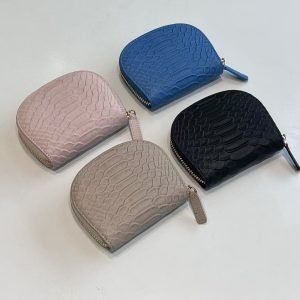
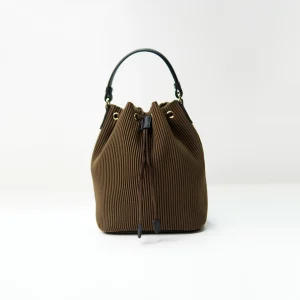
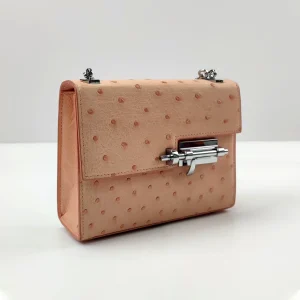
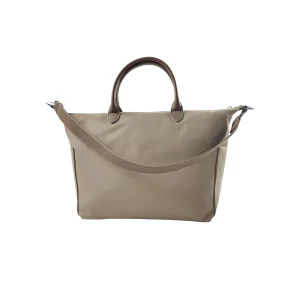
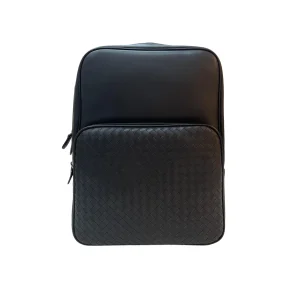
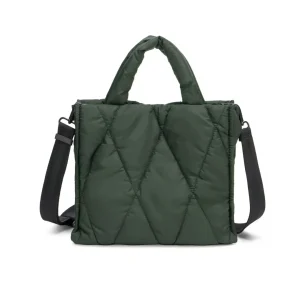
Private label handbag production usually starts from a base product direction, then adds brand-specific details. These may include logo placement, lining, hang tags, packaging, color selection, hardware finish, zipper pullers, and retail presentation. Some projects require small style changes, while others need sample development before bulk production.
Compared with pure OEM production, private label work often puts more attention on branding consistency and sales channel requirements. Compared with ODM development, it may involve less original design work if the buyer already has a clear product reference.
Private Label Handbag Manufacturer Support by Project Stage
| Stage | Buyer Focus | Factory Support |
|---|---|---|
| Concept | Bag type, target market, price direction | Material and structure suggestions |
| Branding | Logo, labels, hang tags, packaging | Branding method review |
| Sample | Shape, size, workmanship, logo effect | Sample making and adjustment |
| Production | Quantity, packing, inspection needs | Bulk production coordination |
Branding Details That Affect the Final Handbag
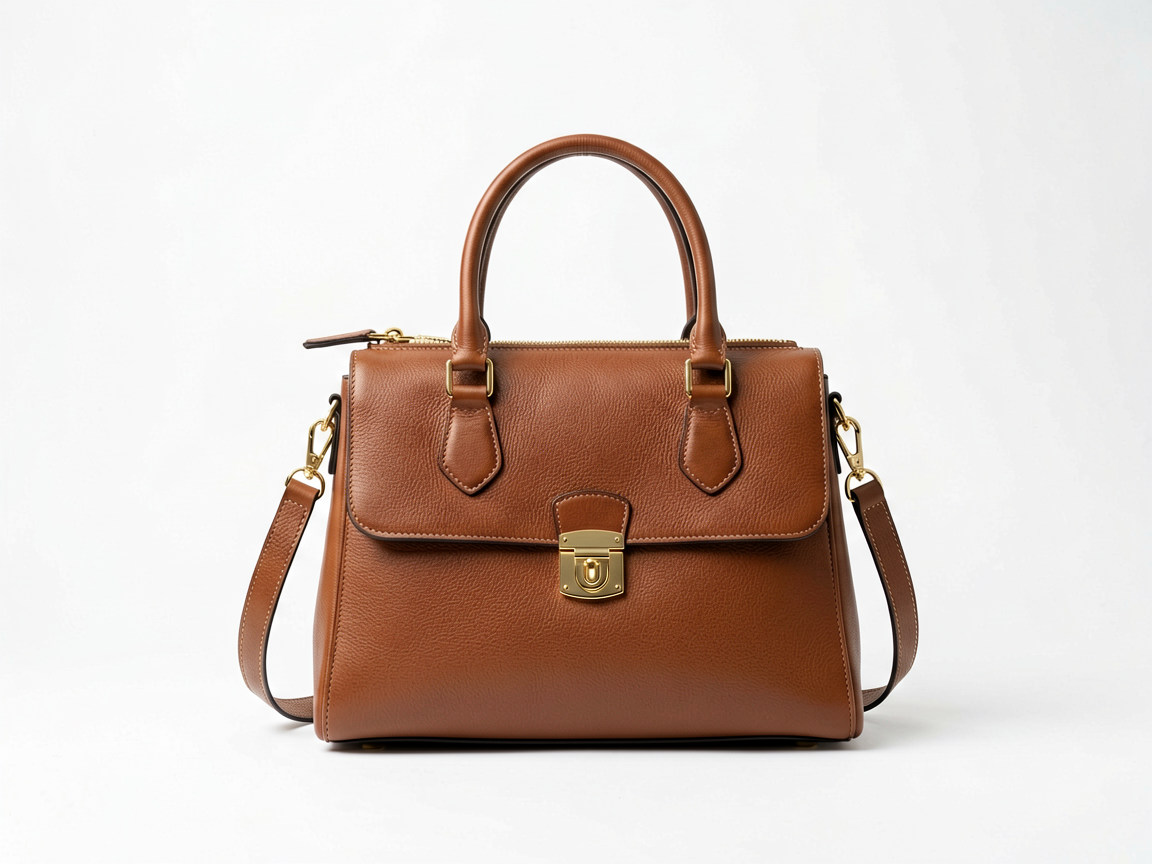
Branding is more than adding a logo. A private label handbag should feel consistent from the first touch to the final unboxing. Buyers commonly review logo size, logo position, hardware color, lining material, zipper quality, stitching color, dust bag design, and barcode or retail labels.
For a premium look, metal plates or embossed logos may be suitable. For lighter bags or casual collections, woven labels or printed logos may work better. The final choice depends on material, order quantity, target market, packaging, and production complexity.
Junhao Handbag supports custom development through its custom handbag solutions, where buyers can discuss branding, materials, samples, and production requirements.
What Buyers Should Prepare Before Development
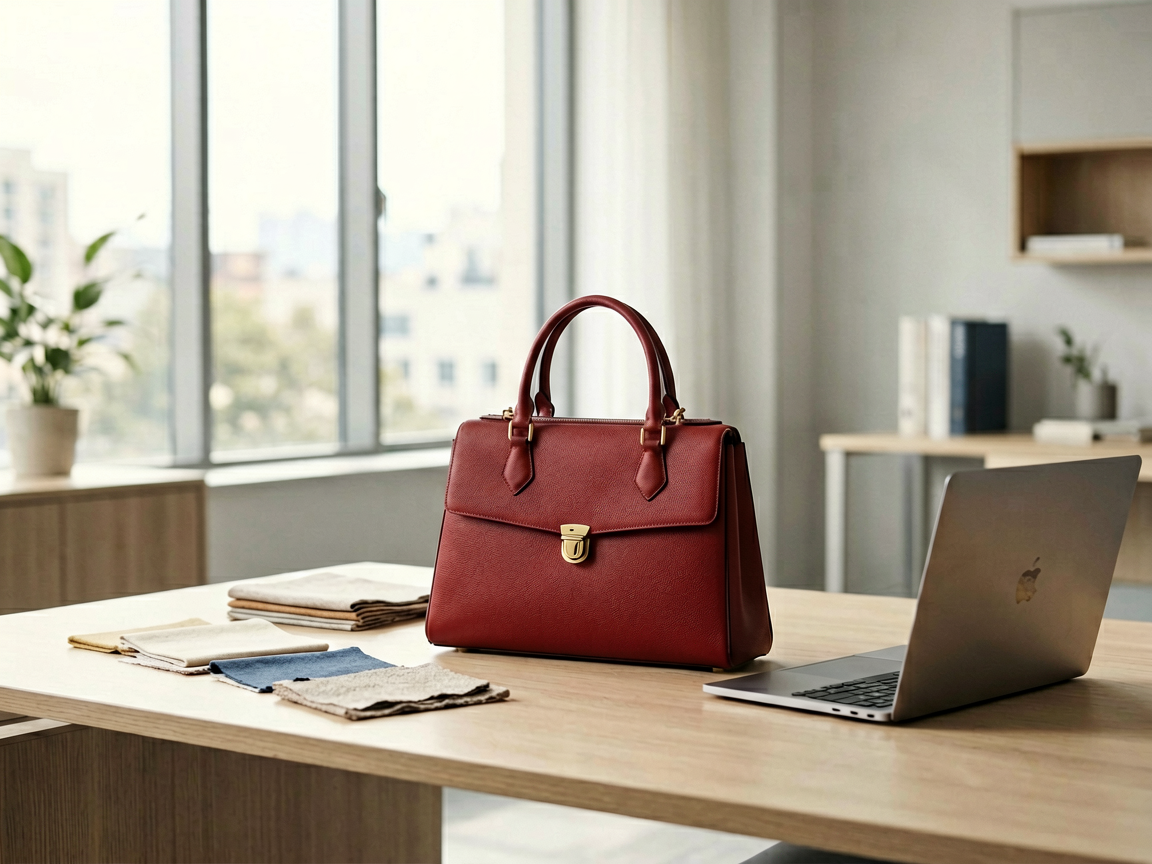
Clear project information helps reduce misunderstanding and sample revisions. Before contacting a manufacturer, buyers should prepare reference images, desired dimensions, material preference, logo files, packaging ideas, expected order quantity, target market, and any retail or marketplace requirements.
- Bag type, such as tote, crossbody, shoulder bag, cosmetic bag, or travel bag
- Main material direction, such as PU, canvas, nylon, polyester, recycled fabric, or leather alternatives
- Logo method and packaging requirements
- Target market, sales channel, and buyer positioning
- Expected launch timing and production quantity range
Samples, MOQ, and Production Planning
Sample development helps confirm shape, material, structure, workmanship, and branding before bulk production. MOQ, sample time, unit cost, and production schedule should be discussed carefully because they depend on material availability, customization, order quantity, packaging, target market, and production complexity.
Buyers planning multiple styles can often start with a focused collection instead of too many SKUs. This makes it easier to control sampling, packaging, inspection, and launch timing.
When Private Label Is a Good Fit
Private label handbag manufacturing is suitable when a buyer wants brand ownership but does not need fully original design development for every detail. It works well for boutique brands, promotional product buyers, Amazon or online sellers, and retailers expanding into branded accessories.
If your team needs broader product options before deciding a collection, you can review Junhao Handbag’s handbag product range. If you need to understand the factory background and manufacturing experience, visit Junhao Handbag expertise.
FAQ
What does a private label handbag manufacturer do for a brand?
A private label handbag manufacturer helps brands produce bags under their own name by supporting product selection, logo application, material options, packaging details, sampling, and bulk production planning. The exact scope depends on the product style, customization level, order quantity, target market, and production complexity.
Can a startup brand work with a private label handbag manufacturer?
Yes. A startup brand can work with a private label handbag manufacturer when it prepares clear product references, branding requirements, target price direction, and sales channel needs. MOQ, sample cost, packaging, and lead time usually depend on material availability, customization, order quantity, and production complexity.
What branding options are common for private label handbags?
Common branding options include embossed logos, metal logo plates, woven labels, printed linings, zipper pulls, hang tags, dust bags, barcode labels, and retail packaging. The best option depends on the handbag material, brand positioning, durability requirements, budget, and how the product will be sold.
What should buyers prepare before requesting private label handbag production?
Buyers should prepare reference images, desired bag size, material preferences, logo files, packaging ideas, expected order quantity, target market, and any compliance or retail requirements. These details help the manufacturer evaluate feasibility, suggest suitable materials, and prepare a more accurate development plan.
Start Your Private Label Handbag Project
If you are preparing a branded handbag line, send your bag type, reference images, logo files, packaging ideas, target market, and expected quantity to Junhao Handbag. Our team can review your private label requirements and discuss the next development step. Contact us through the contact page.
Estimated Visible Character Count: approximately 3,650 characters.