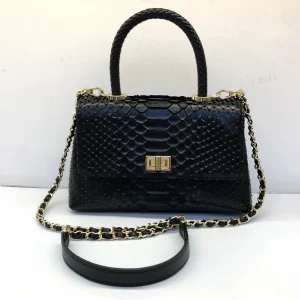
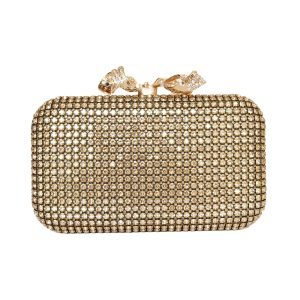
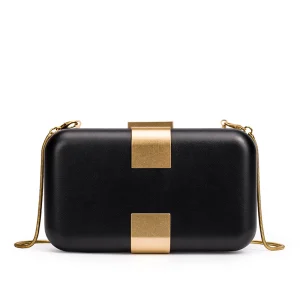
Niels Peeraer archive bags show how chronology can become a visible retail system instead of a vague heritage claim. The official store added an Archive Collection in June 2026 and published reissues dated to 2012, 2013, 2014, 2015 and 2020 across late June and early July. From a B2B handbag factory perspective, this activity is most useful as a lesson in provenance, product-status language and controlled small-batch development for original designs.
This article does not repeat the previous bow-detail and structured-leather guide. It examines how archive, reissue, made-to-order, ready-to-ship and new-product labels shape customer expectation. Niels Peeraer archive bags provide current public evidence, while the sourcing recommendations apply only to rights-cleared product histories owned by the commissioning brand.
The research was checked on October 14, 2026. Availability and terms can change, so the official Niels Peeraer Archive Collection should be consulted for the live offer.
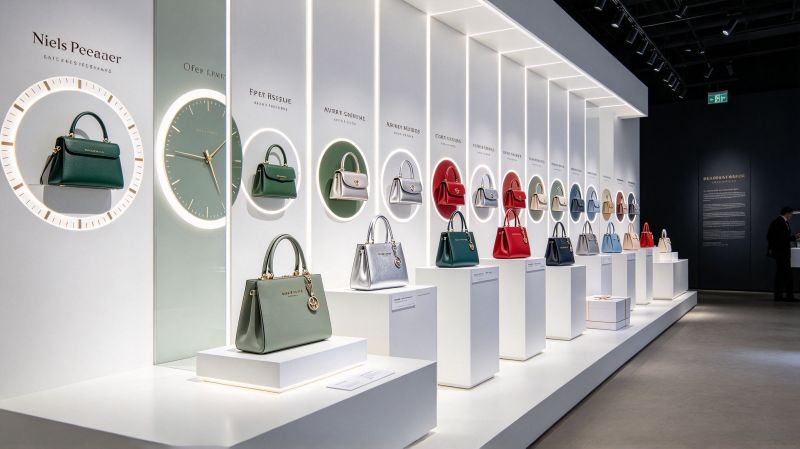
Niels Peeraer archive bags turn chronology into navigation
An archive collection can help a shopper answer three different questions: when did the design originate, what version is being offered now and how will the present item be fulfilled? Those questions are often collapsed into a nostalgic campaign image. The current Niels Peeraer archive bags place them closer to the product title and description.
The titles lead with explicit language such as “ARCHIVE 2014” or “ARCHIVE 2020.” Product descriptions then call the pieces archival reissues and connect them to named Autumn/Winter collections or a specific year. Several pages also state that the item is made to order in the Paris atelier and provide a short production window.
This creates a chronology that customers can navigate. The original collection date describes design provenance. The 2026 publication date describes current commercial activity. The made-to-order note describes fulfillment. Niels Peeraer archive bags therefore separate three clocks that are frequently confused in fashion retail.
The separation is valuable because “archive” can mean many things. It may refer to an original historical object, a newly manufactured reissue, a reinterpretation, a sample, a one-off or simply an archive-inspired campaign. Product language should identify which status is true. A dated name alone does not establish provenance.
The 2026 archive wave contains six distinct signals
- Archive Collection launch: Shopify collection data dates the official Archive Collection to June 27, 2026, creating a dedicated navigation route rather than leaving old designs dispersed through the store.
- 2013 Double Bow Clutch: published June 26, the page calls it an archival reissue from Autumn/Winter 2013 and states that it is made to order.
- 2014 Seasonal Clutch: published July 1, the listing identifies an Autumn/Winter 2014 reissue and includes dimensions, closure, detachable ornament, materials and current production terms.
- 2015 Tail Clutch: also published July 1, this page repeats the clear year-and-collection framing while distinguishing the detachable ornament.
- 2020 Twin Bag: published July 1, the reissue retains a fuller historical explanation of how the two-pocket form can be carried in several states.
- 2012 Bow Buckle Bag: published January 29, 2026, the page presents an Autumn/Winter 2012 reissue with an updated multifunctional strap, making the difference between historical source and current specification visible.
These signals give Niels Peeraer archive bags a defensible 2026 editorial foundation. The timeline also makes Niels Peeraer archive bags legible as a sequence rather than a generic heritage theme. The dates come from current public store data, and the archive claims come from the brand’s own product descriptions. None of this reveals private production records or authorizes another brand to reproduce the products.
The 2013–2015 clutches use a shared retail grammar
The Archive 2013 Double Bow Clutch, Archive 2014 Seasonal Clutch and Archive 2015 Tail Clutch form a compact sequence. All three pages identify the original Autumn/Winter year, describe an archival reissue and present current made-to-order terms.
That shared grammar makes Niels Peeraer archive bags easier to compare without pretending the pieces are identical. The listings use the same dimensions and broad construction information, while detachable front ornaments distinguish the named versions. From a positioning perspective, the consistent template makes chronology the stable frame and product variation the changing evidence.
A weak archive program might rename three products as “heritage clutches” and rely on photography to imply age. Niels Peeraer archive bags instead state the source season, current version and present fulfillment. The customer can then understand that the design idea is historical while the purchasable item is a current reissue.
Product teams should also distinguish a reissue from a restoration. A restoration concerns an existing historical object. A reissue is a newly offered product connected to an earlier design. Niels Peeraer archive bags use “archival reissue,” which reduces that ambiguity in the public copy.
The transferable lesson is documentation, not ornament. An independent brand with its own archive can create a repeated provenance block containing original season, original product name, current edition name, revision notes, current materials, current hardware, present production location and fulfillment status. The information should be supported by internal records.
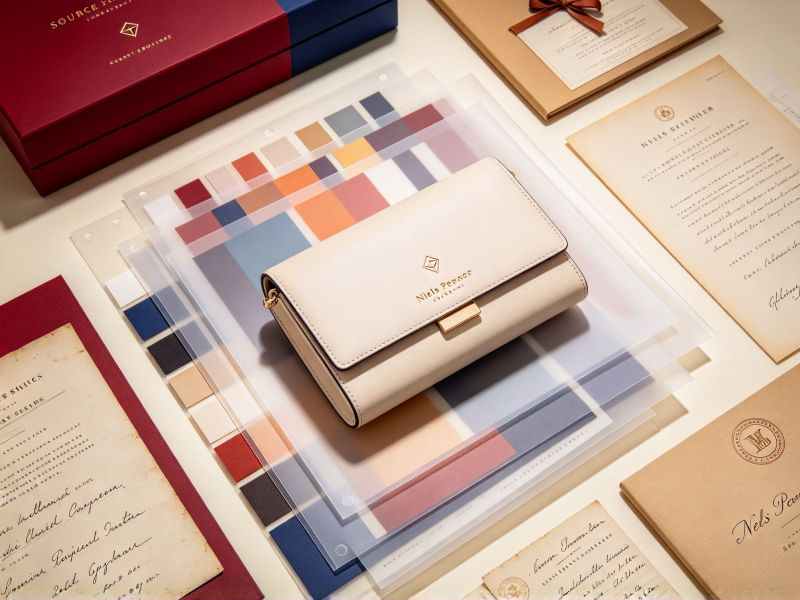
The Twin Bag preserves the original explanation
The Archive 2020 Twin Bag is described as an archival reissue from the 2020 collection. Its page retains a concept statement about identical twins and explains that the bag can appear doubled, fold open like a “papillon,” hang by one handle or be worn over both shoulders as a backpack.
Within Niels Peeraer archive bags, this example shows that provenance is not limited to a year label. The original explanation helps the current customer understand why the form behaves as it does. It turns the design history into useful product information rather than decorative lore.
The listing also separates the doubled and folded-open dimensions, identifies two pockets and states the carrying options. This matters because an archive story can attract attention while current specifications close the purchase gap. A reissue page should not assume that historical significance excuses incomplete dimensions or use information.
For brands planning their own archive program, original campaign text may be useful evidence, but it should be reviewed before reuse. Old copy may contain outdated materials, unavailable services, inaccurate measurements or claims that no longer meet current policy. The archive record and the current product page serve different purposes.
Niels Peeraer archive bags therefore suggest a two-layer content model. The first layer preserves the documented creative context. The second layer states the current product truth: what is made now, how it functions, how it is fulfilled and which terms apply. Both layers should be dated.
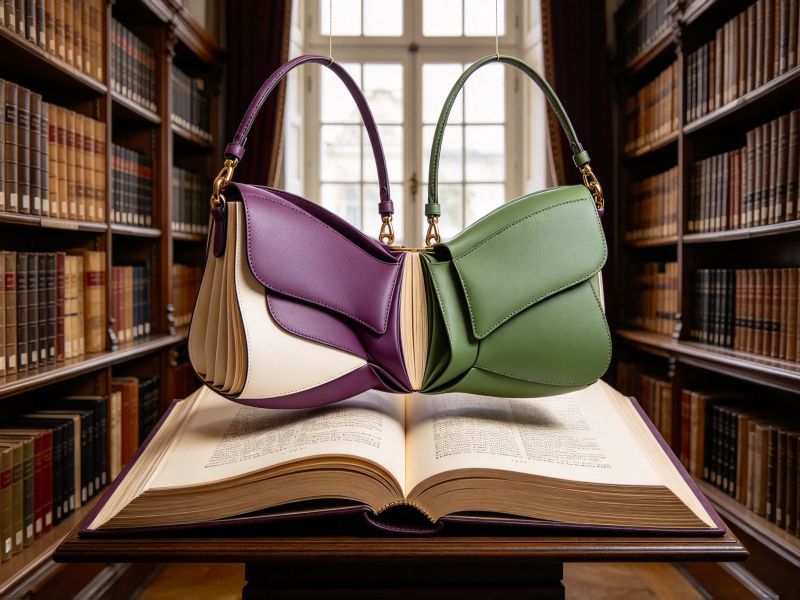
The 2012 reissue makes revision visible
The Archive 2012 Bow Buckle Bag was published January 29, 2026. The page identifies an Autumn/Winter 2012 archival reissue, then describes an updated multifunctional shoulder strap that changes from a short top handle to a longer shoulder strap in one piece.
This is an important distinction within Niels Peeraer archive bags. A reissue does not have to freeze every specification at the historical date. It can include a current update when the page states the change clearly. The product remains connected to its source while acknowledging that the offered version has evolved.
Revision transparency protects the archive story from becoming misleading. If a material, strap, closure, dimension, lining or production method changes, the current customer should not be led to believe that every detail is identical to the first edition. A short “updated for this reissue” note can carry substantial trust value.
The same principle applies to current safety, labeling and market requirements. An original-brand archive program may need to adjust component composition, warning language, packaging or test protocols. Those changes do not need to erase the design history, but they should be recorded in the current bill of materials and customer-facing copy when relevant.
Niels Peeraer archive bags demonstrate that authenticity is compatible with revision. Authenticity comes from accurate provenance and honest versioning, not from claiming that time has stood still.
New and FW25 products keep the archive in context
An archive program becomes clearer when it sits beside genuinely current products. The New 2911 Diary Bag, published November 2, 2025, is presented as a new variation in the Diary series. Its description explains the 2911 name through the bag’s length and height, lists two compartments and states multiple carry options.
The FW25 Micro Ribbon in black, published October 17, 2025, uses a season label rather than an archive year. A separate made-to-order Micro Ribbon page was published two days earlier. These labels help distinguish a recent seasonal expression from a historical reissue.
The Crisis Moon Toolbox in BlackPink, published January 28, 2026, is described as a 2025 variation of a newer Toolbox bag combined with the Crisis Moon Locket-inspired wallet. That phrasing places it in an evolving contemporary line rather than the numbered archive sequence.
Together, these products prevent Niels Peeraer archive bags from absorbing every story on the site. “New,” “FW25,” “variation” and “archive reissue” each signal a different relationship to time. The distinction helps customers understand whether they are seeing a current extension, a seasonal item or a return from an earlier collection.
For brand positioning, chronology should remain selective. If every repeated product is promoted as an archive event, the term loses meaning. Niels Peeraer archive bags are more credible because the store also maintains separate routes for new arrivals, signature made-to-order products and ready-to-ship stock.
Status labels are operational promises
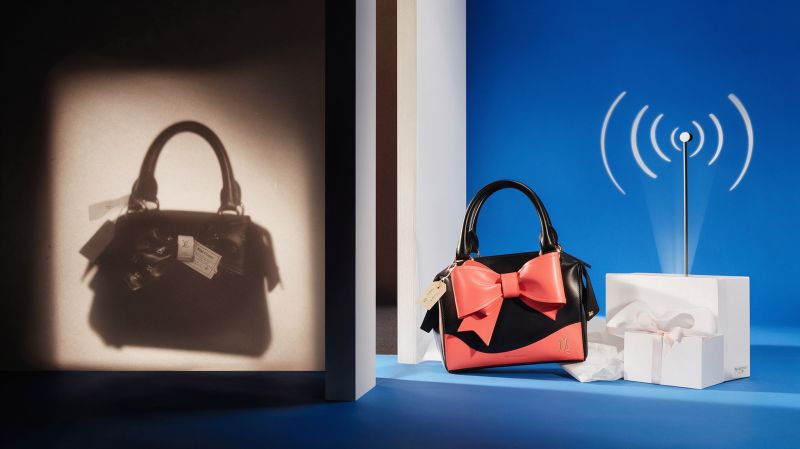
A product-status label affects more than navigation. “Archive reissue” promises traceable historical origin. “Made to order” promises that production follows an order rather than ordinary stock logic. “Ready to ship” promises a different fulfillment state. “One off” suggests a specific uniqueness claim that should be documented. “Sample” and “showpiece” imply another condition history.
The official store gives Niels Peeraer archive bags a wider context through separate Signature / Made to Order and Ready to Ship collections. These routes help shoppers distinguish production status before reaching individual product terms.
For Niels Peeraer archive bags, the product page must still resolve exceptions. A made-to-order item may have a stated preparation period, restricted cancellation or return terms, color choices or atelier-specific conditions. A ready-to-ship product may still need handling time. Collection labels should guide, not replace, complete terms.
Niels Peeraer archive bags also reveal why inventory systems need consistent status fields. A product cannot safely be treated as “archive,” “made to order” and “ready to ship” through free-form marketing language alone. The commerce system should know which status controls lead time, inventory allocation, returns and customer communication.
For a small brand, a simple controlled vocabulary is enough. Define each allowed status, who can assign it, which evidence supports it and which customer terms follow. Do not invent scarcity, historical dates or production locations to make an offer sound exclusive.
A provenance block should travel with every reissue
Niels Peeraer archive bags point toward a practical provenance block that can appear in product data, line sheets and internal development records. The block should be compact enough to maintain but detailed enough to prevent dates and versions from drifting across channels.
Useful fields include:
- Original identity: documented product name, original season or year and internal style reference.
- Current identity: reissue name, current SKU, publication date and commercial status.
- Rights basis: confirmation that the commissioning brand owns or has permission to use the design, artwork, marks and archive material.
- Revision record: dimensions, construction, material, hardware, color, packaging or compliance changes from the documented historical version.
- Production truth: current production location, lead time, quantity status and applicable made-to-order or ready-stock terms.
- Customer evidence: current photographs, measurements, care information and accurate descriptions of condition or variation.
The block is not a public certificate unless the brand has a verified certification process. It is a disciplined record that supports accurate copy. Niels Peeraer archive bags show how visible year labels can anchor this system, but the underlying evidence must remain available internally.
Photographs also need version control. An original runway image, an archival sample photograph and a current reissue image are not interchangeable. Captions should state which object is shown. Otherwise customers may infer that historic materials, proportions or wear condition apply to the purchasable product.

Private-label archive programs must begin with owned records
A brand should build an archive program only from designs and materials it owns or is authorized to use. Historical inspiration from another brand is not an archive. Niels Peeraer archive bags can demonstrate public methods of dating and versioning, but their names, designs, ornaments, construction language and brand history are not development templates.
Start by auditing the commissioning brand’s own records: sketches, dated photographs, invoices, bills of materials, patterns, sample notes, campaign assets, trademarks and prior production agreements. The audit should identify what can be verified and where rights or dates remain uncertain.
Next, choose the commercial purpose of the reissue. It may celebrate an anniversary, restore an unavailable function, introduce a documented design to a new channel or test demand through made-to-order production. The purpose determines which records matter and how much revision is appropriate.
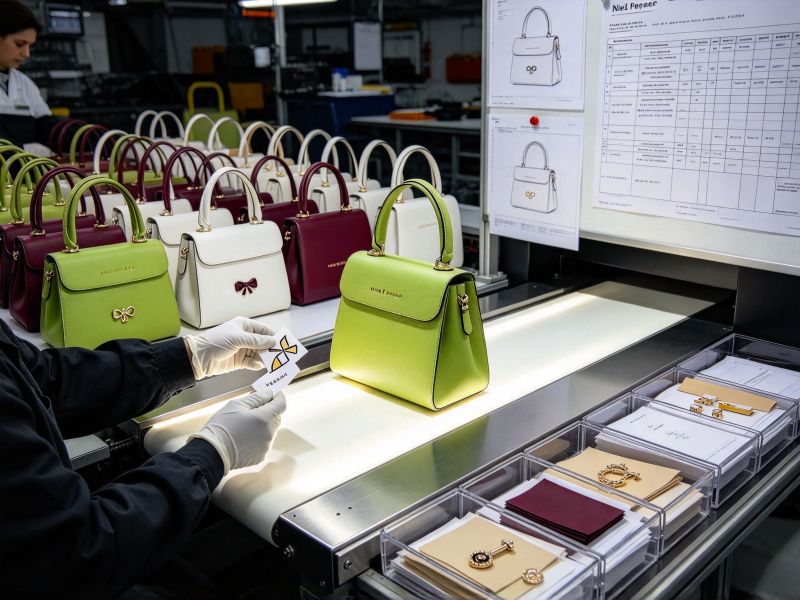
A private-label bag manufacturing program should receive a current specification, not an old photograph with the instruction to recreate it. The technical package needs current dimensions, materials, hardware, labeling, testing, packaging and approved revision notes. Historical evidence belongs in a separate provenance folder.
When an old pattern is available, it still requires validation. Material thickness, edge allowances, reinforcement, component availability and market requirements may have changed. A current sample should be evaluated against the approved reissue intent, not assumed correct because the pattern is old.
Niels Peeraer archive bags make the final communication step equally important. The factory can support an original brand’s current specification, but only the brand can approve the historical claim. Product copy, collection dates and edition language should pass through brand, legal and merchandising review before launch.
Small-batch sourcing should protect the archive promise
Made-to-order and small-batch reissues can reduce speculative inventory, but they create service obligations. Lead times need a clear starting event. Materials and finishes need reservation rules. Variation limits must be explained. Returns, repairs and replacement components require policies appropriate to the channel and market.
For Niels Peeraer archive bags, public pages frequently pair the reissue story with current made-to-order information. This keeps the historical narrative connected to fulfillment. An independent brand should do the same with terms that reflect its actual process rather than adopting another company’s lead time or return language.
Niels Peeraer archive bags keep public status close to current fulfillment, and sourcing teams can apply that principle through a reissue control sheet. It should contain the approved current sample, revision record, material lot, component finish, packaging version, quantity authorization and public status label. If a second batch changes any visible or functional feature, the version should be updated instead of silently replacing the first.
Teams can use a custom handbag sampling process to validate a rights-cleared reissue as a present product. The review should compare the sample with the current approved brief and documented archive intent. It should not depend on memory or an unidentified reference image.
The goal is not artificial scarcity. It is accurate alignment between what the product was, what it is now and what the customer will receive. That alignment is the commercial value behind Niels Peeraer archive bags as a brand-positioning case.
Conclusion: authentic reissues make time legible
Niels Peeraer archive bags use year-led product titles, archival-reissue descriptions and current made-to-order terms to connect earlier collections with a 2026 offer. The 2013–2015 clutches create a consistent provenance grammar, the Twin Bag preserves an explanatory concept, and the 2012 Bow Buckle Bag makes a present strap update visible.
Current products such as the 2911 Diary Bag, FW25 Micro Ribbon and Crisis Moon Toolbox keep the archive category from becoming a catch-all. Together, the store’s archive, new-arrival, made-to-order and ready-to-ship routes show that product status is part of brand positioning.
Niels Peeraer archive bags ultimately demonstrate a recordkeeping principle: authentic heritage communication needs dated sources, current specifications, honest revision notes and fulfillment terms that match reality. An original brand’s archive becomes commercially useful when customers can understand exactly which history they are buying into.
This article is an independent educational analysis. It is not affiliated with Niels Peeraer. We do not produce counterfeit or replica goods, and we do not reproduce protected logos, trademarks, patterns, proprietary designs, hardware, silhouettes, or brand-identifying elements.
Planning a rights-cleared reissue from your own brand archive? Organize the provenance record, current specification, revision notes, quantity plan and fulfillment status, then send your handbag RFQ for a focused sampling review.