Private Label Handbags with Logo for B2B Brands
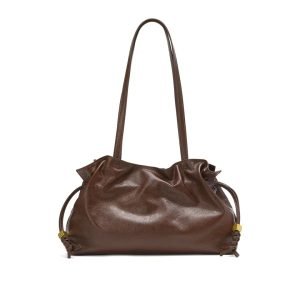
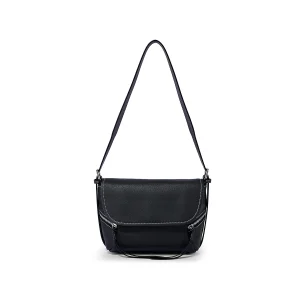
Private label handbags with logo help fashion brands, retailers, boutiques, ecommerce sellers, and corporate gift buyers build branded handbag lines without operating their own factory. Instead of buying blank stock, B2B buyers can align logo placement, materials, labels, packaging, and selected structure details with their retail positioning.
Author and review note: This guide is prepared from a B2B handbag manufacturing perspective and reviewed for practical use by the Junhao Handbag production support team. It focuses on private label brand launch decisions, not on general factory selection.
What Private Label Handbags with Logo Include
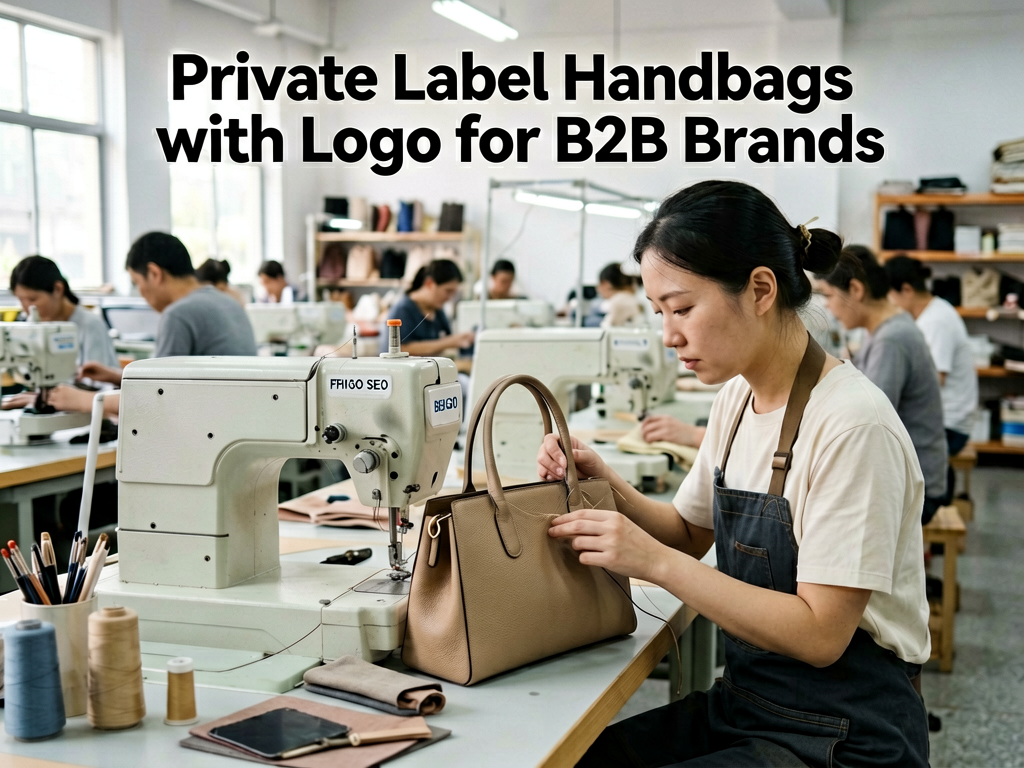
Private label handbag production usually starts from a brand concept: target customer, price level, sales channel, and visual identity. A factory then converts that concept into a manufacturable product using suitable materials, hardware, lining, logo techniques, labels, and packaging.
For B2B buyers, the goal is not only to place a logo on a bag. The goal is to create a consistent retail product across the bag body, zipper pull, inner label, hangtag, dust bag, barcode label, and shipping carton.
Logo Options for Private Label Handbags with Logo
Logo method affects brand perception, durability, and production feasibility. Different handbag materials react differently to heat, pressure, stitching, printing, and metal attachment, so buyers should confirm logo proofs and samples before bulk production.
| Logo Method | Best Use | B2B Decision Notes |
|---|---|---|
| Metal logo plate | Premium or structured handbags | Durable and retail-ready; plating color should match hardware. |
| Embossed or debossed logo | PU, vegan leather, and genuine leather | Clean look; depends on surface finish and material thickness. |
| Woven label | Canvas, nylon, casual, and inner branding | Useful for boutique lines, lining labels, and soft branding. |
| Printed logo | Promotional, seasonal, or lightweight bags | Flexible, but durability depends on ink, material, and use. |
Branding Elements Beyond the Front Logo
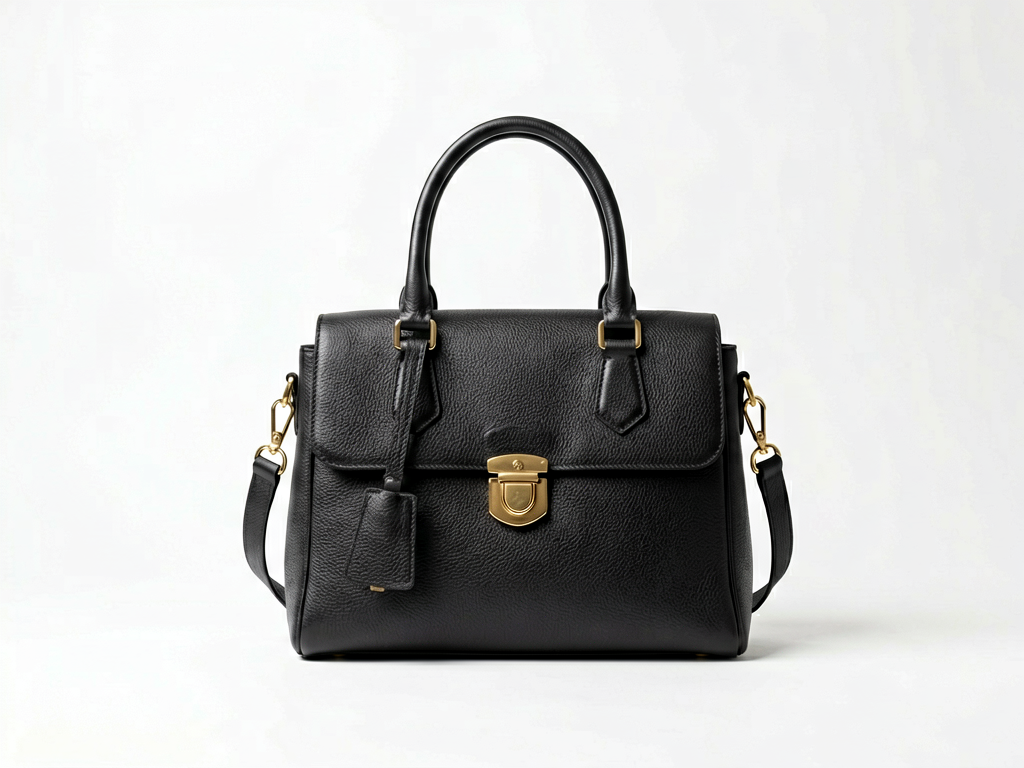
A strong private label project connects several branding elements. Buyers may customize inner labels, zipper pullers, metal charms, dust bags, hangtags, barcode stickers, care labels, polybags, and carton marks. These details are important for retailers, Amazon sellers, boutiques, and brands planning repeat collections.
If you need broader development support, see Junhao Handbag’s custom handbag solutions. For style references, buyers can also review the handbag product range before sending requirements.
Material, Structure, and Logo Feasibility
Material selection should match the buyer’s price range, target market, and product use. PU, vegan leather, canvas, nylon, polyester, and genuine leather each create a different hand feel, cost structure, and retail image. Hardware weight, zipper quality, lining, edge finishing, and stitching density also influence perceived value.
For branded handbags for retailers, buyers should avoid choosing materials only by appearance. The material must support the intended logo method, bag structure, packaging style, and daily use expectations. For example, a heavy metal plate may not suit a very soft pouch, while embossing may require a stable surface and correct pressure control.
Sample Workflow and Quality Checkpoints
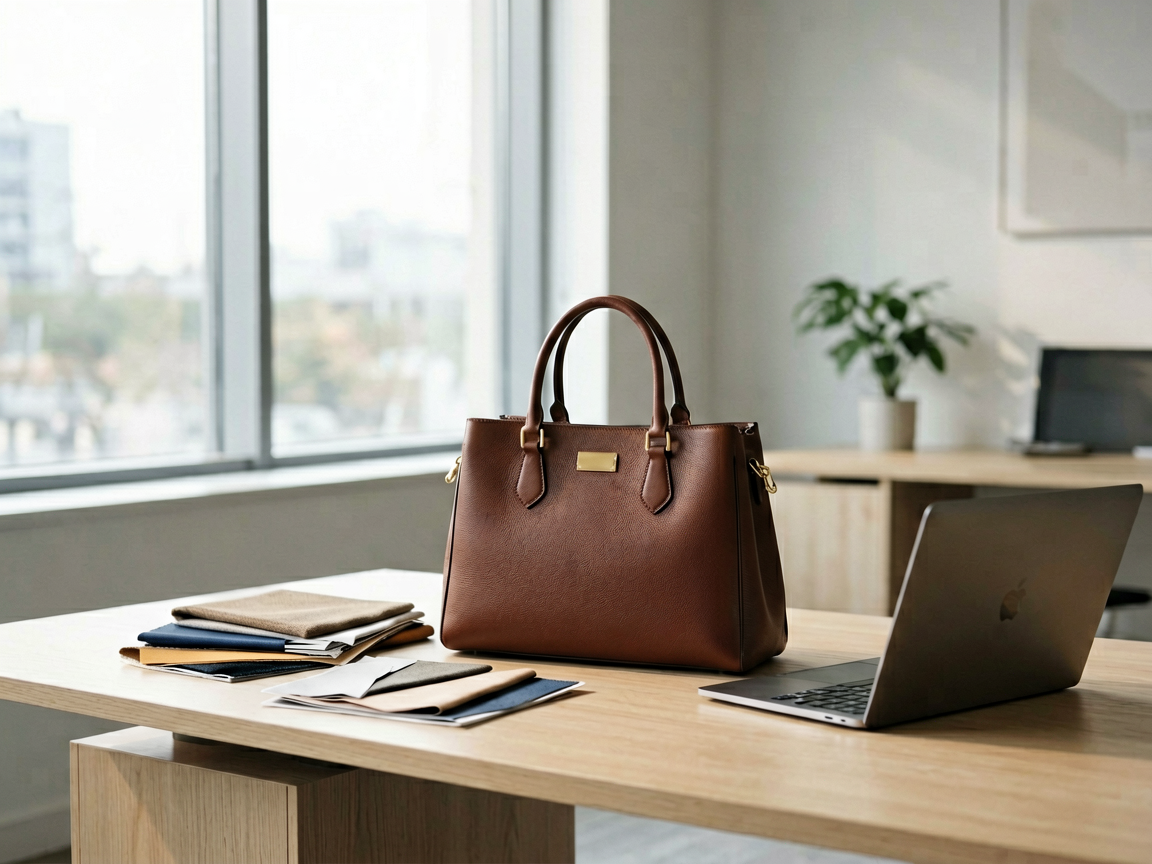
Sampling is where private label ideas become visible. A practical sample review should check logo scale, placement, color match, material touch, hardware finish, lining, stitching, zipper movement, edge finish, packaging, and overall presentation. Sample timing and revision needs depend on material availability, customization level, order quantity, packaging, target market, and production complexity.
Before bulk production, B2B buyers should approve the logo proof, physical sample, packaging artwork, label content, and carton mark. Consolidated feedback reduces repeated revisions and helps keep the project clearer for both the brand team and the factory team.
Private Label Handbag Project Checklist
- Editable logo artwork, preferably AI, EPS, or PDF, with color references.
- Target handbag style, size, function, and customer profile.
- Preferred materials, lining, hardware color, zipper type, and logo position.
- Branding needs such as label, hangtag, dust bag, barcode, or carton mark.
- Estimated order quantity, target sales market, and launch schedule.
- Retail, platform, or compliance requirements that may affect production.
To discuss a specific private label bags project, contact Junhao Handbag with logo files, reference images, target quantity, and packaging expectations.
FAQ
What are private label handbags with logo?
Private label handbags with logo are bags produced for a brand, retailer, or distributor and customized with that buyer’s logo, labels, packaging, and selected design details. The base style may come from an existing concept or a buyer’s own design, depending on the project requirements.
Which logo methods are suitable for private label handbags?
Common logo methods include metal logo plates, embossed or debossed logos, woven labels, rubber patches, printed logos, zipper pull branding, and custom hangtags. The best option depends on the handbag material, brand positioning, target market, order quantity, and desired retail appearance.
What logo file format should buyers provide?
Editable vector artwork is preferred for custom logo handbags, such as AI, EPS, or PDF files with clear outlines. Buyers should also provide Pantone or color references, logo size expectations, placement notes, and any brand guideline files so the factory can check feasibility before sampling.
Can packaging be customized for private label bags?
Yes. Packaging can often include hangtags, care labels, dust bags, barcode labels, polybags, carton marks, and retail presentation details. Final packaging choices depend on the sales channel, target market, order quantity, material availability, and any platform or retailer requirements.
What affects MOQ and sample timing for private label handbags?
MOQ and sample timing depend on material sourcing, logo method, mold or hardware needs, color matching, packaging complexity, order quantity, and production schedule. Buyers should confirm samples and branding proofs before bulk production to reduce revision risk.
Start a Private Label Handbag Project
If you are developing private label handbags for a brand, boutique, retailer, or online store, share your logo, reference styles, material direction, packaging needs, target market, and estimated order quantity. Junhao Handbag can help review branding feasibility, sample details, and production planning before your order moves forward.