Embossed Logo Handbag Manufacturer for B2B Brands
Reviewed by the Junhao Handbag product development team. An embossed logo handbag manufacturer helps B2B brands turn a plain bag surface into a recognizable private label identity. Embossing is not only decoration; it affects material choice, logo tooling, sample approval, retail presentation, and bulk production consistency.
At Junhao Handbag custom solutions, logo branding is reviewed together with bag structure, material surface, target market, packaging needs, and order requirements, so buyers can confirm a practical branding direction before production.
What Is an Embossed Logo Handbag?
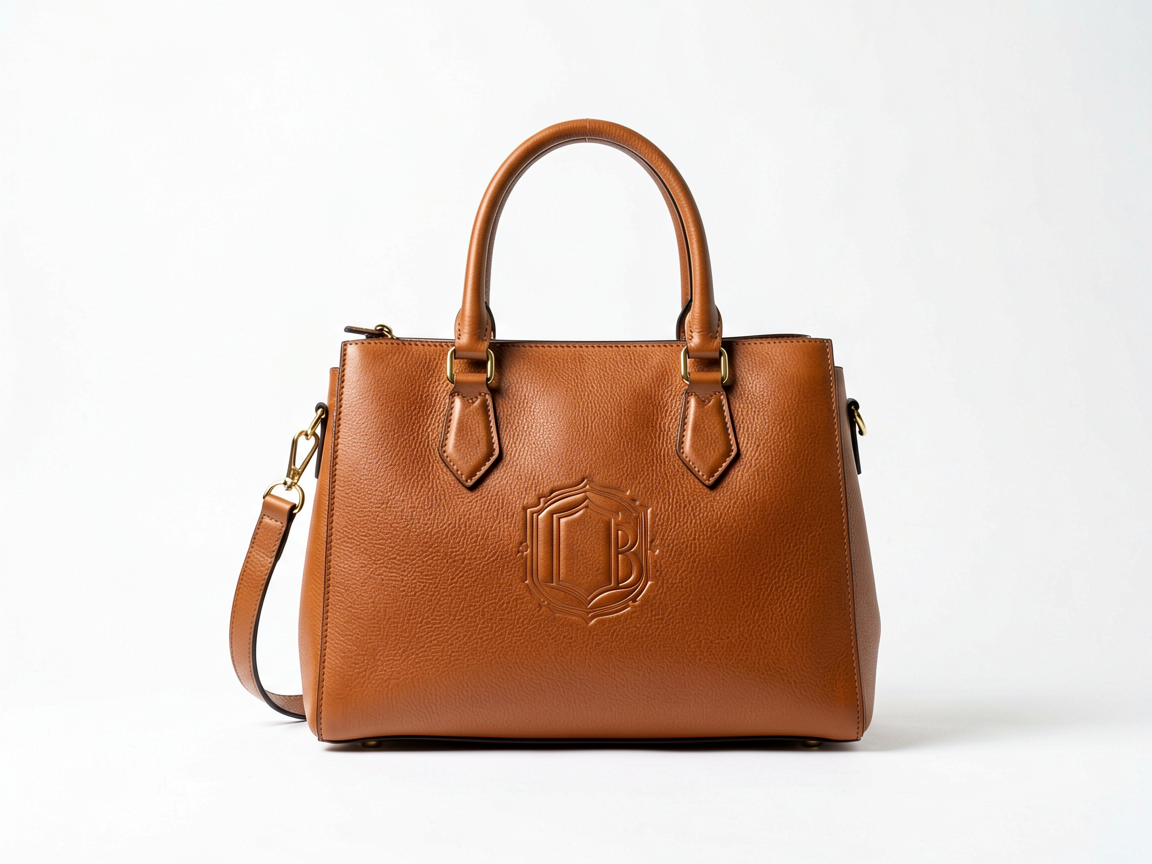
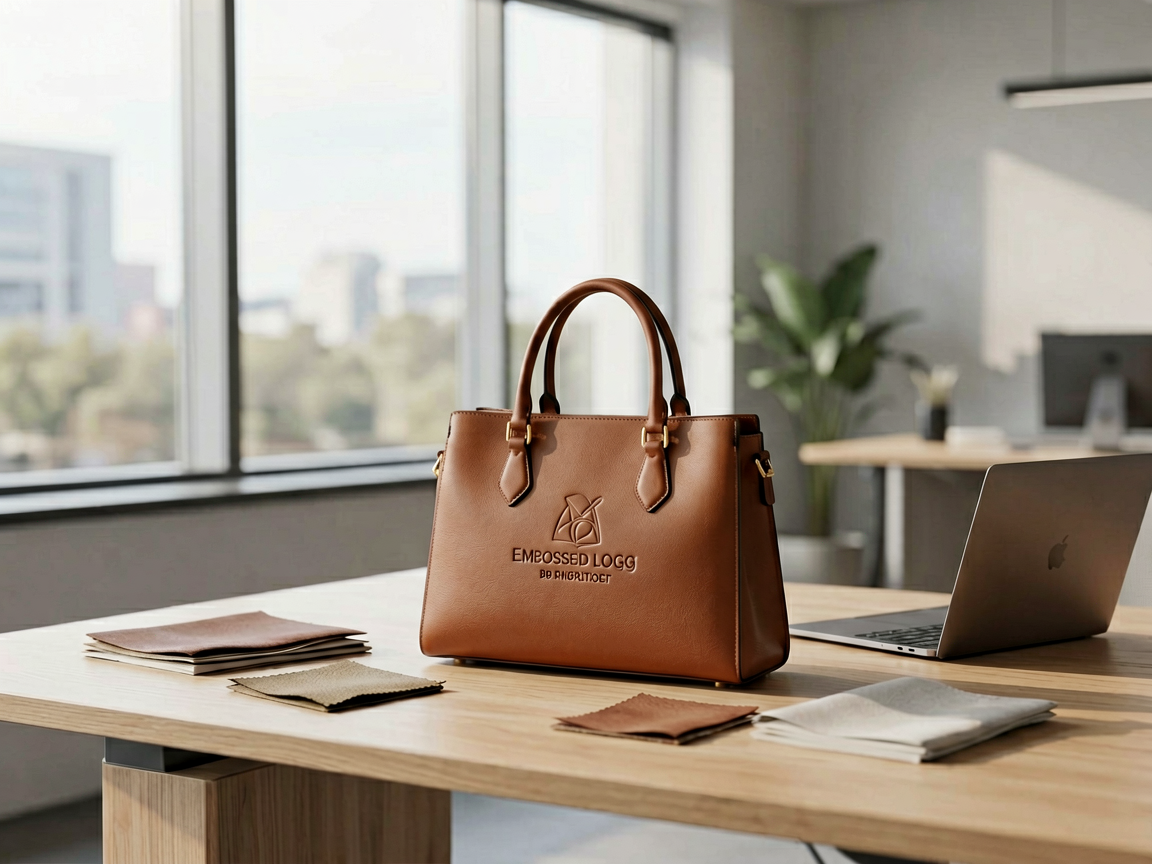
An embossed logo handbag uses pressure, heat, tooling, or a shaped plate to create a raised or recessed brand mark on the bag surface. The effect is often subtle and premium, especially when a brand wants tone-on-tone identity instead of printed decoration.
Embossing can be used on handbags, totes, crossbody bags, purses, wallets, and small leather goods. The final result depends on surface grain, material thickness, logo line width, placement, tooling depth, and production complexity.
Embossed Logo Handbag Manufacturer Branding Options
For B2B projects, embossed branding should be planned during product development, not added at the last minute. Common methods include blind embossing, debossing, heat pressing, foil-assisted embossing, and metal logo combinations.
| Logo Method | Best Use | Production Note |
|---|---|---|
| Blind embossing | Subtle premium branding | Works best with clean artwork and stable surfaces |
| Debossed logo | Recessed brand mark | Tooling depth should be confirmed by sample |
| Foil embossing | More visible retail logo | Foil color and adhesion should be checked |
| Metal logo plus embossing | Stronger brand recognition | Hardware color, size, and position must align |
Material Factors That Affect Embossed Logo Results
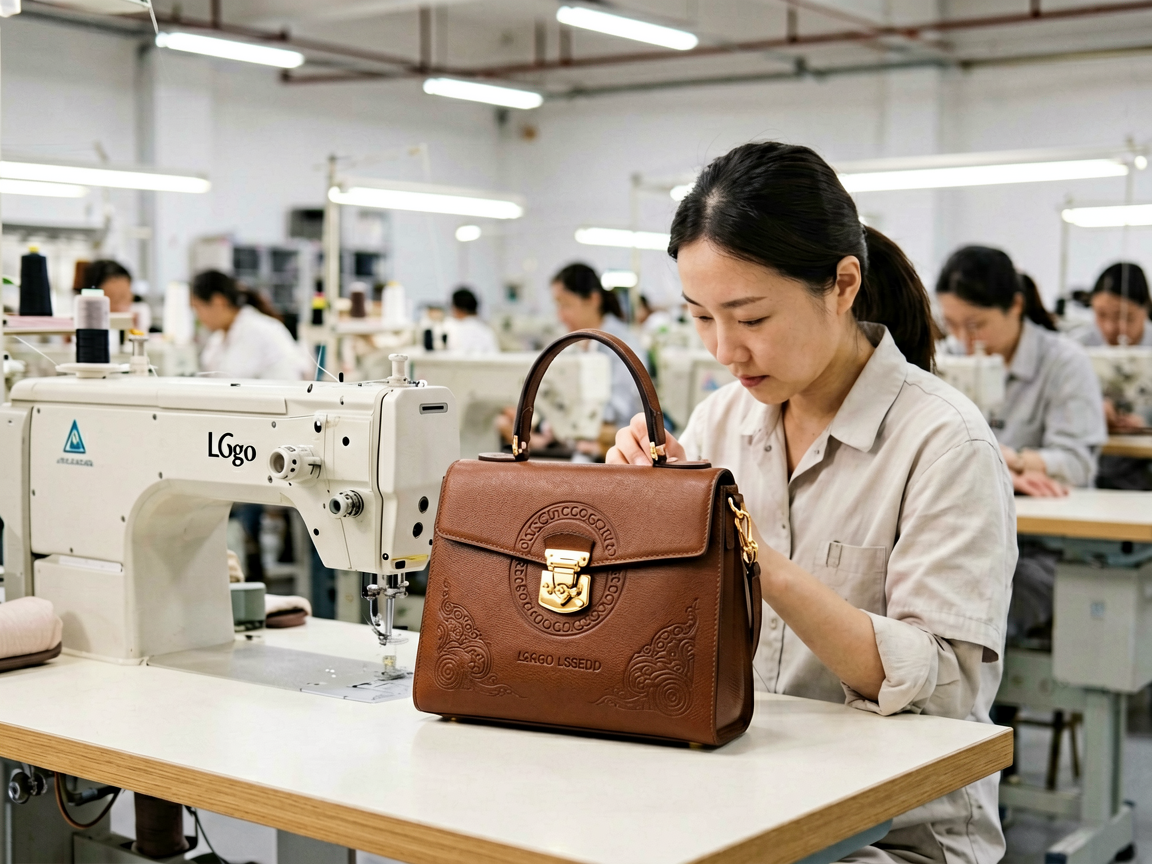
Leather, PU, vegan leather, and structured synthetic materials can support handbag logo embossing, but they do not respond in the same way. Softer materials may show deeper pressure, while thin, loose, or highly textured surfaces may reduce logo clarity.
In factory review, the team should check surface grain, backing strength, flexibility, heat response, and whether the logo area is affected by seams, pockets, handles, or curves. For example, a smooth PU surface may show sharper edges than a heavily textured material, while some soft materials need careful pressure control to avoid surface distortion.
Buyers comparing different bag styles can review Junhao Handbag products to consider which categories may support visible or subtle logo placement.
Artwork, Tooling, and Sample Approval Workflow
Custom embossed logo bags need clean artwork and a clear approval process. Vector files such as AI, PDF, EPS, or SVG are preferred because small letters, thin lines, and complex icons may lose definition after pressure is applied.
- Review logo file quality, line thickness, and readable size.
- Confirm whether the effect should be raised, recessed, blind, or foil-assisted.
- Check placement against seams, handles, closures, pockets, and curved panels.
- Confirm tooling or mold direction before sample making.
- Approve the logo effect on the selected material before bulk production.
B2B Specification Checklist for Private Label Handbag Branding
| Item | Buyer Should Confirm |
|---|---|
| Logo file | Editable vector artwork and final brand name spelling |
| Logo size | Width, height, line thickness, and readable detail |
| Material | Leather, PU, vegan leather, texture, thickness, and backing |
| Placement | Front panel, patch, flap, corner, handle area, or inner label |
| Sample approval | Depth, alignment, surface marks, foil effect, and overall appearance |
| Packaging | Hangtag, dust bag, barcode, label, and retail presentation needs |
Common Embossing Defects to Check Before Bulk Production
Embossed logo handbags should be checked carefully before bulk production. Common issues include unclear edges, uneven depth, logo tilt, surface wrinkles, foil transfer marks, color change around the logo area, and poor alignment with bag structure.
Cost, MOQ, and lead time should be confirmed case by case. They usually depend on material, order quantity, logo tooling, bag structure, packaging, target market, and production complexity.
FAQ
What does an embossed logo handbag manufacturer do for B2B brands?
An embossed logo handbag manufacturer reviews logo artwork, checks material suitability, prepares or confirms tooling, produces samples, and manages bulk production so the raised or recessed brand mark stays aligned with the buyer’s private label requirements.
Which handbag materials are suitable for embossed logos?
Embossed logos are commonly used on leather, PU, vegan leather, and some structured synthetic materials. Suitability depends on surface grain, thickness, backing, heat response, logo size, and the required depth, so a physical sample should be approved before bulk production.
What logo files should buyers provide for handbag logo embossing?
Buyers should provide editable vector artwork when possible, such as AI, PDF, EPS, or SVG files. Clear logo outlines, confirmed size, placement notes, and color or foil requirements help the factory check tooling feasibility before sampling.
Should embossed logos be confirmed during sampling?
Yes. Embossed logos should be confirmed during sampling because pressure, temperature, tooling depth, edge sharpness, and material response can change the final appearance. Sample approval helps prevent logo distortion, poor alignment, and inconsistent brand presentation.
Plan Your Embossed Logo Handbag Project
If your brand needs private label handbag branding, send Junhao Handbag your logo file, preferred bag style, material direction, target market, packaging needs, and estimated order quantity. The team can review whether embossing is suitable and suggest a practical route for your B2B project.