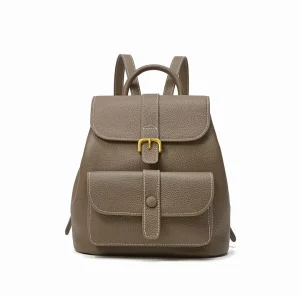
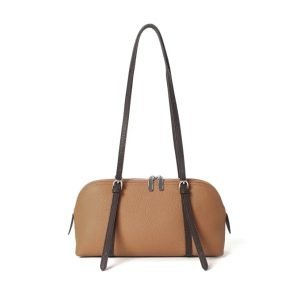
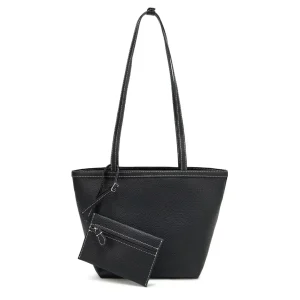
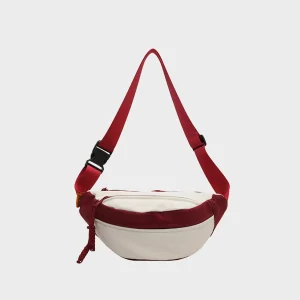
Bally leather longevity is a useful 2026 material question because a luxury bag must now balance soft handfeel, low weight, visible craft, everyday movement, and a credible care promise. Public Bally coverage highlights seasonless families, soft-grain and brushed leather, foldable totes, and the wider idea of precision in motion. For private-label teams, the opportunity is to engineer an original leather system that remains useful and repairable rather than treating durability as a claim added after sampling.
This is an independent material analysis based on public Bally pages and established fashion coverage. It does not describe confidential suppliers or imply any relationship with Bally. The recommendations translate public signals into original, non-infringing product-development decisions.
Why Bally leather longevity needs a full lifecycle brief
Leather quality is often summarized through grain, softness, or color, but a customer experiences a much longer sequence. The bag is packed, shipped, opened, carried, loaded, rubbed against clothing, placed on a table, stored, cleaned, and eventually repaired. Each stage can change the surface and the structure. A finish that looks excellent in a studio may crease at the handle, transfer to light clothing, or lose alignment at a soft opening.
Begin with a lifecycle sentence: “soft daily body with controlled edge, stable device zone, and recoverable fold.” Then translate it into tests. Define empty weight, working load, contact zones, storage position, cleaning limits, packaging protection, and repair access. This makes Bally leather longevity a measurable product promise rather than a vague quality adjective.
The official Bally Beckett collection page shows how a leather family can span weekenders, crossbody bags, and wallets. A family with multiple uses also has multiple stress patterns. The large body needs base and handle support; the crossbody needs strap and flap durability; the wallet needs fold, edge, and pocket accuracy. One material name does not describe all three experiences.
Substrate and temper set the first quality impression
Leather temper determines how the surface responds to pressure, bending, and release. A firm temper supports a clean plane and sharper edge. A softer temper creates drape and a closer relationship with the body. The correct choice depends on the product’s capacity, opening, handle, and carry method.
Build firm, balanced, and supple panels at production-relevant thickness. Flex each around the intended radius and record crease depth, recovery, sound, and edge response. Then repeat the test with the proposed backing and lining. A face that recovers well alone may collapse when bonded to a stiff layer; a soft surface may look elegant but stretch at a handle anchor.
For an original private-label range, a custom leather bags brief should map temper by zone. The body can remain responsive while the opening, base, corners, and device pocket receive localized support. This approach protects Bally leather longevity without making the entire bag heavy or rigid.
Soft-grain and brushed finishes need different care
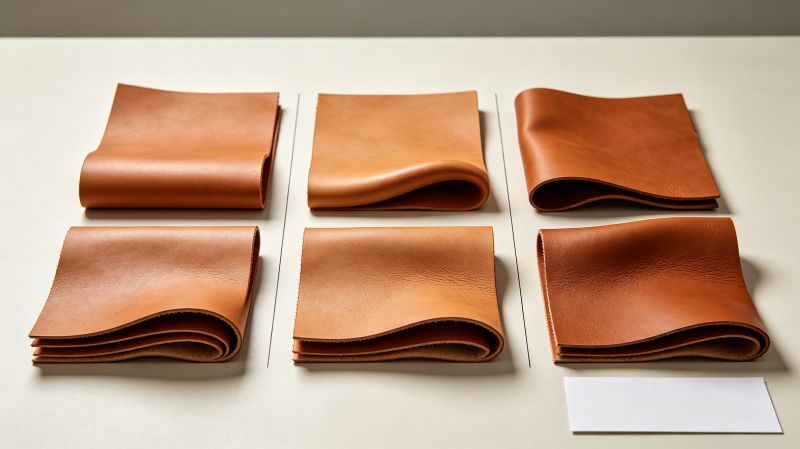
Bally’s public Resort 2026 reporting describes soft-grain and brushed leathers alongside satin and a restrained palette. Those finishes create different tactile and visual experiences. Soft grain can hide minor variation and feel relaxed. Brushed leather changes with direction and light. Satin-like surfaces can show fingerprints, pressure marks, and packing folds more readily.
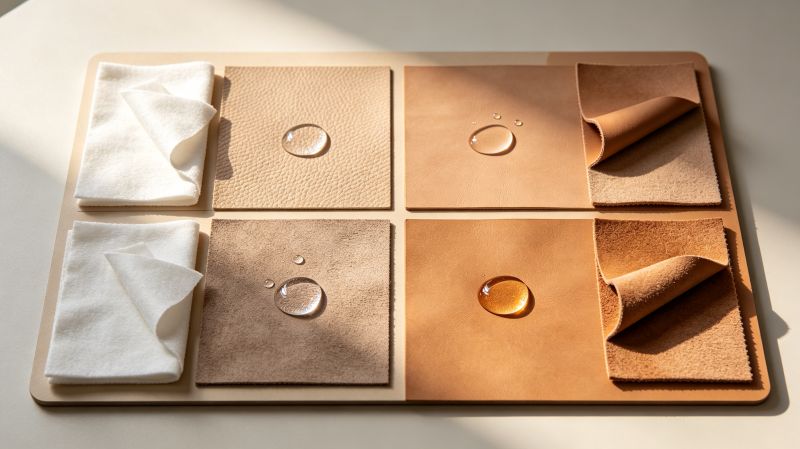
Test dry and wet rub, color transfer, flexing, moisture, and contact with representative garments. For brushed surfaces, check nap direction after handling and storage. For smooth or satin surfaces, check whether a light mark can be blotted without creating a halo. Retain an untreated control and photograph all results under daylight and warm retail light.
Care instructions should describe the first safe action and the point at which professional assessment is needed. Do not promise that a surface is stain-proof or maintenance-free unless the evidence supports a specific method. Clear limits help Bally leather longevity remain credible after purchase.
Foldability is a construction decision
Resort 2026 reporting highlights Easy Tote versions and the importance of new fabrication. A foldable leather tote communicates convenience, but folding changes the material’s life. Creases may become permanent, edge paint may crack, and hardware may press through a panel. If the customer is expected to fold the bag, the fold line, material stack, and storage method must be designed together.
Run repeated fold and recovery cycles with the complete bag. Measure crease visibility, opening alignment, handle deformation, and surface whitening. Test the fold inside the proposed dust bag and shipping carton. A bag that folds in the studio may not recover after heat, compression, or a full load.
For an independent design, foldability can be a real user benefit when it is clearly limited. The product may compress for travel but require a shaped insert afterward. It may fold only along a reinforced panel. It may use a lighter material in the gusset while keeping a stable base. The promise should be specific enough to protect Bally leather longevity.
Hardware and edge zones decide long-term failure
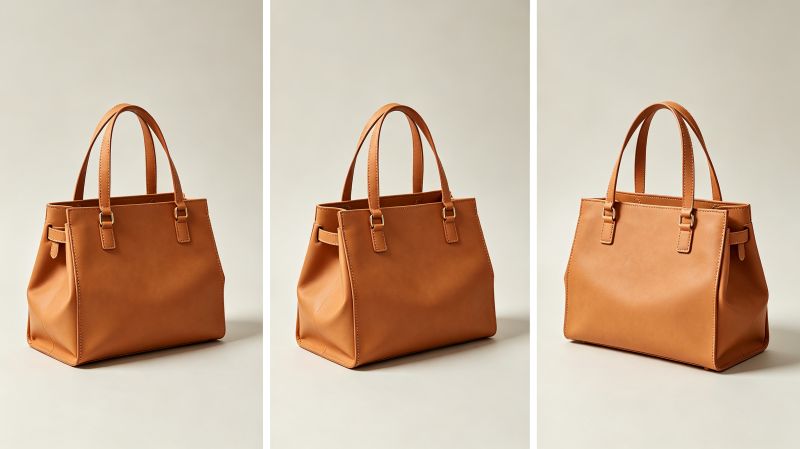
Handles, zipper ends, corners, feet, and strap anchors concentrate force. A soft body can remain beautiful while a small attachment creates a tear or permanent stretch. Map each load path and specify backing, stitch density, hole distance, and reinforcement. Test the assembly with the working load, not an empty sample.
Hardware finish also affects care. Polished metal may show scratches and fingerprints; brushed metal can expose direction changes; dark coatings can reveal a brighter base at high-contact edges. Keep metal away from delicate leather during packaging and test contact with light clothing. These small controls support Bally leather longevity because visible wear often begins at a junction.
Edge treatment deserves its own library. Compare folded, painted, turned, and bound edges at the actual thickness. Bend and rub each sample. Inspect corners and transitions into handles or pockets. An edge that looks precise in a flat swatch can wave when the bag is loaded. A custom handbag sampling process can document the accepted edge and the repair method.
Transit and storage are part of Bally leather longevity
A leather surface can pass a showroom inspection and still arrive with a compressed corner, a pressure crescent, or a gloss change caused by packaging. A Bally leather longevity brief therefore needs a transit and storage scenario, not just a laboratory rub test. Define how long the finished bag may remain in a carton, whether it will cross a humid route, how it will be stacked, and whether the customer will store it empty or filled.
Build a packaging trial around the real material stack. Photograph the approved face before packing, after a controlled compression period, and after a recovery period at normal room conditions. Check tissue, dust bag, foam, desiccant, carton print, and hardware contact for transfer or abrasion. This reveals whether Bally leather longevity is being protected by the package or undermined by it.
Humidity deserves a separate decision. A soft surface may feel different after a damp journey, while a coated edge may become tacky or mark the lining. Use a defined conditioning window, then inspect grain, color, adhesive lines, zipper movement, and handle set. Record the acceptable recovery time so a receiving team knows when to inspect and when to escalate. Measured recovery makes Bally leather longevity a receiving standard rather than a vague promise.
Storage orientation also changes the outcome. A flat tote, a suspended shoulder bag, and a compact crossbody each place force in different zones. Test the product in its planned retail and home positions, using a light insert where one is supplied. If the bag is expected to stand, specify the base support; if it is expected to collapse, specify the permitted fold. Those simple instructions make Bally leather longevity easier to maintain without adding unnecessary reinforcement.
Write the care card from observed behavior. State whether the bag should be kept away from radiators, direct sun, wet garments, or rough surfaces, and say how to restore shape after travel. Avoid universal advice that ignores finish direction. For brushed leather, the safe action may be a gentle directional brush; for a smooth surface, it may be blotting and professional review. Clear language gives Bally leather longevity a practical owner action.
Packaging and care should be validated together. A dust bag that sheds lint, a foam insert that polishes a panel, or a folded leaflet that presses a wet finish can create a complaint that looks like a leather failure. Keep a retained packed sample and open it at the same intervals as the test sample. The comparison helps a development team separate material behavior from packing behavior when reviewing Bally leather longevity.
For replenishment, repeat the transit test on the first production lot and on a later lot after the supplier changes a finish or adhesive. Small process changes can alter slip, gloss, or recovery even when the color name remains unchanged. A lot-release record should identify the substrate, finish batch, packaging revision, conditioning date, and approval owner. That evidence makes Bally leather longevity traceable across a range instead of limited to one golden sample.
Use customer-service language as a feedback loop. Classify reports as transit compression, storage deformation, finish transfer, ordinary patina, care error, or construction defect. Review the frequency by size, color, and carry mode. If complaints cluster around a single corner or handle, adjust the reinforcement or instruction rather than declaring the whole material unsuitable. This turns post-purchase information into a targeted Bally leather longevity improvement.
A buyer can request three simple records before approving a long-life leather family: the packed-sample recovery photos, the finish-care limits, and the replacement-part plan. Together they show whether the team has considered the customer’s real environment. They also make supplier conversations more efficient because the discussion is anchored in a use case, a test, and an accepted result. This is the commercial value of documenting Bally leather longevity.
Color variation should be planned, not excused
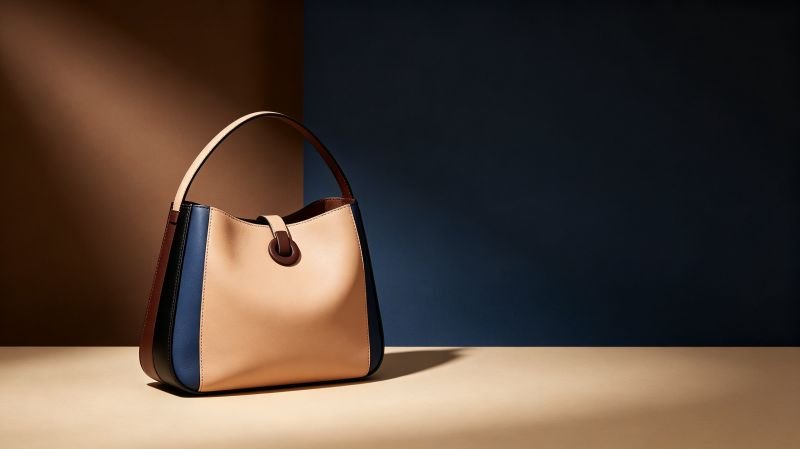
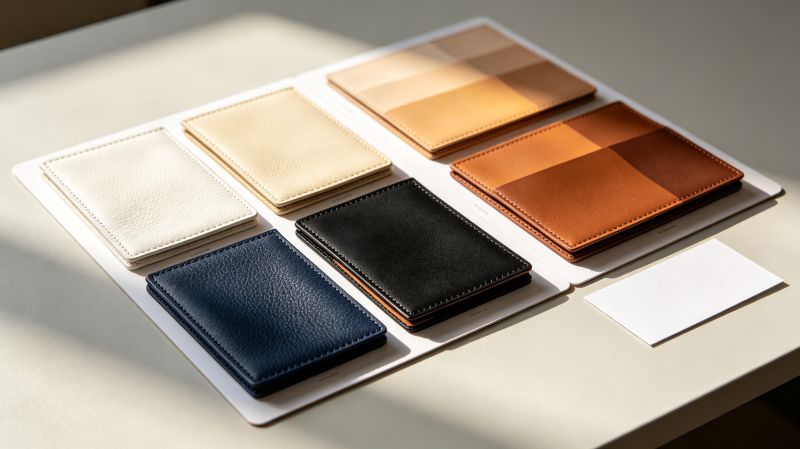
Bally’s public 2026 palette includes cream, deep navy, black, and warm brown. Those colors create different risks. Cream reveals transfer and edge inconsistency. Navy can shift under warm light. Black exposes dust and polishing marks. Brown makes grain and finish variation more visible. The team should approve each color on the actual substrate and component set.
Use master, light, and dark tolerance panels. Compare body, handle, edge, lining, thread, and hardware under daylight and retail light. Record acceptable lot variation and the replacement-lot procedure. A color name is not a production standard. Physical comparison protects Bally leather longevity when the product must be replenished.
Color also changes perceived structure. A dark base can ground a soft bag. A light handle can reveal touch and carry. A contrasting edge can clarify the opening but increase alignment risk. Assign each color a merchandising and use role so the range does not become an arbitrary shade wall.
Lightweight construction must include the whole bill of materials
“Lightweight” is not achieved by thinning the leather alone. Shell, lining, reinforcement, padding, zipper, feet, handle, strap, pockets, and hardware all contribute to empty weight. A thin face may stretch at a handle or reveal the device edge. A heavy lining can cancel the benefit of a light shell.
Weigh the complete bag empty, typically loaded, and at the working limit. Measure how far it sits from the body and how the strap angle changes. A deeper bag can feel heavier because of leverage even when the scale number is modest. A compact body with a stable device wall may feel easier to carry than a larger unreinforced shape.
Vogue’s Fall 2026 Berluti coverage describes, for a different brand, lighter hardware and soft structure as professional-carry signals. Cross-brand research can reveal a category direction, but the independent product must create its own geometry and materials. The useful principle is to reduce unnecessary mass while preserving the customer benefit. That is a practical contribution to Bally leather longevity.
Repairability makes a material promise believable
A leather product cannot promise longevity if a worn handle, edge, slider, or pouch cannot be reached. Design service access before the lining closes the sample. Ask a technician to remove and reinstall high-wear parts, recondition a controlled mark, and compare the finished repair with a retained standard.
Keep finish panels and approved spare parts. A replacement handle with a different gloss can make an otherwise coherent bag look mismatched. A heavier slider can change balance. A new edge color can make a repair more visible than the original wear. These details connect repair to Bally leather longevity.
After-sales records should classify the issue: normal patina, care mistake, transit damage, or construction failure. Review the pattern before changing the next color or size. Service data is a material-development input, not only a cost report. A repair record that names the part, finish, and labor time gives Bally leather longevity a serviceable definition.
Document sustainability and care claims separately
Leather longevity is a performance claim; it is not automatically an environmental claim. If a brand discusses recycled content, certified fibers, restricted substances, or lower-impact finishing, each statement needs its own evidence and scope. A durable bag can still require transparent material documentation, and a material with a sustainability attribute can still fail a daily-use test.
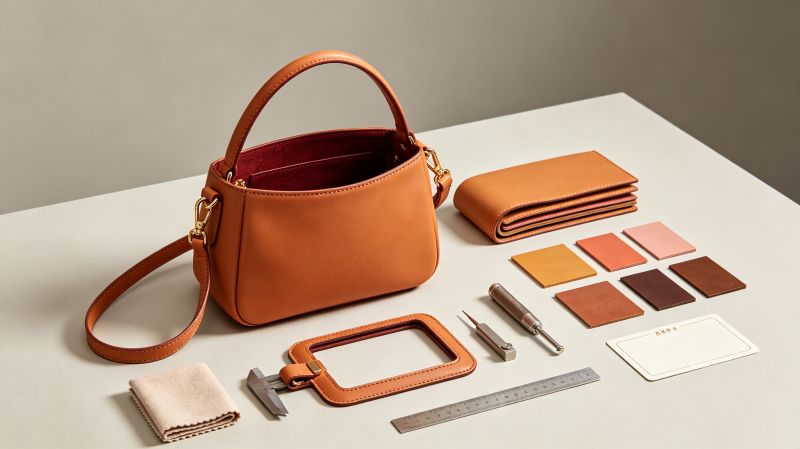
Prepare an evidence sheet covering composition, finish, care limits, testing dates, packaging, repair options, and claim approvals. The private-label bag manufacturing service can use this sheet to align sampling and production. A buyer should be able to see which statements describe the face material and which describe the finished assembly.
Do not use a broad claim such as “eco leather” without defining the material and evidence. Do not promise a uniform patina when natural variation is part of the product. Precise language strengthens Bally leather longevity by setting a customer expectation the factory can support. Separating performance evidence from environmental evidence keeps Bally leather longevity measurable in a responsible product file.
OEM brief for a long-life leather family
Begin with the use case, working load, expected contact, color role, finish behavior, fold or storage requirement, care limit, and repair promise. The luxury handbag OEM manufacturing solutions discussion can then compare leather, backing, reinforcement, hardware, packaging, and service options by target cost.
Use representative prototypes instead of approving an isolated swatch. Review initial appearance, after controlled flex, after loaded carry, after packaging, and after an approved care or repair trial. Retain samples at each gate. This turns Bally leather longevity into a release criterion.
Original-design review is separate. Remove Bally names, archive graphics, signature details, proprietary hardware, and recognizable product configurations from supplier instructions. The commissioning brand should own its pattern, finish map, color language, hardware, and service rationale. That independent ownership lets Bally leather longevity function as research input rather than a borrowed identity.
Longevity approval checklist
- Substrate: Is the leather and finish specified at production-relevant thickness?
- Stress zones: Have handle, edge, corner, opening, and hardware areas been tested?
- Care: Are cleaning, storage, and professional-assessment limits clear?
- Color: Are master, light, and dark tolerance standards retained?
- Packaging: Does shipping protect the surface and shape?
- Repair: Can wear parts be replaced with approved components?
Buyer questions about leather longevity
Does soft leather last less than structured leather?
Not necessarily. Longevity depends on substrate, reinforcement, load, edge, hardware, care, and repair. Softness needs localized support rather than uniform stiffness.
How should a foldable leather bag be tested?
Run repeated fold and recovery cycles with the complete bag, then check crease visibility, opening alignment, handles, packaging, and loaded behavior.
Can a color remain consistent while developing character?
Yes, when the initial color, acceptable variation, contact zones, care method, and service standard are defined and documented.
What should an OEM team keep after approval?
Keep retained leather panels, finish standards, test records, packaging samples, spare-part specifications, and approved care language.
Make longevity part of the original product identity
The useful lesson of Bally leather longevity is that a material story continues long after the retail image. Seasonless families, foldable function, soft-grain and brushed surfaces, controlled color, and lightweight construction all create different durability and care obligations. An independent label can learn from those signals while creating separate geometry, finish, and service promises.
Dongguan Junhao Handbag Co., Ltd. can review an original leather lifecycle brief, compare finish and construction samples, and align care and repair requirements with production. Explore our custom handbag sampling process or send your RFQ with leather direction, expected use, color target, quantities, price objective, and launch timing.
Before release, verify Bally leather longevity in the sample, Bally leather longevity in the care card, and Bally leather longevity in the repair plan. This makes the material promise measurable and original.
Original-design reminder: Use public fashion research to study general principles of leather behavior, care, color, lightweight construction, and repair. Develop distinct silhouettes, finishes, motifs, hardware, and visual identity through your own design process.
This article is an independent educational analysis. It is not affiliated with Bally. We do not produce counterfeit or replica goods, and we do not reproduce protected logos, trademarks, patterns, proprietary designs, hardware, silhouettes, or brand-identifying elements.