Private Label Handbag Packaging: What B2B Buyers Need to Plan
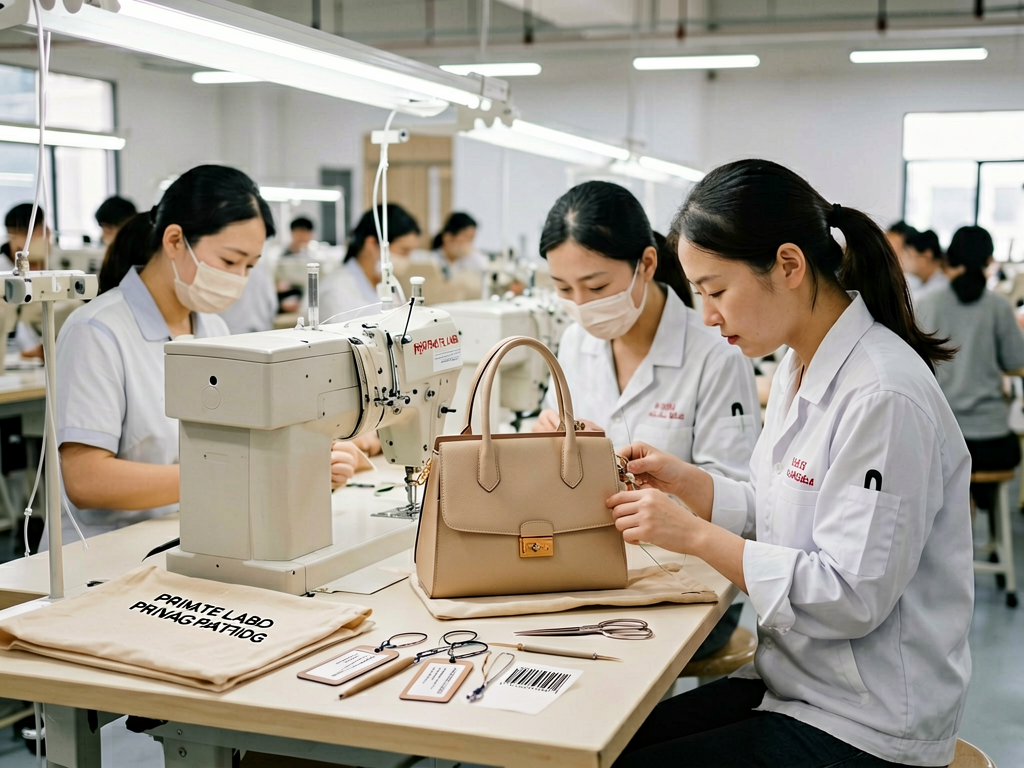
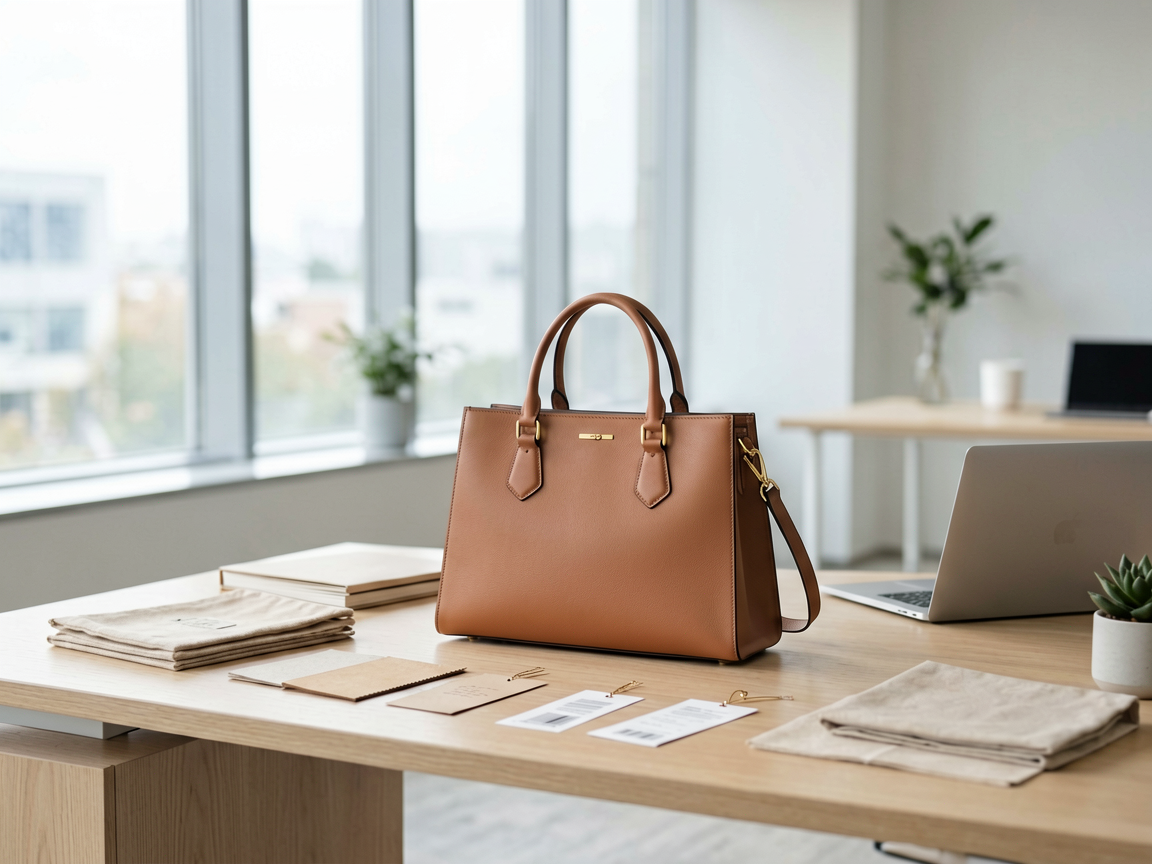
Private label handbag packaging is the branded presentation system around a handbag, not only the outer bag or carton. For B2B buyers, it may include woven labels, hang tags, dust bags, care cards, barcodes, carton marks, and retail-ready packing. Good packaging helps a brand look consistent from factory shipment to store display or online delivery.
Reviewed by Junhao Handbag sourcing and production coordination team. This guide focuses on packaging decisions for handbag brands, not how to choose a manufacturer. For product development and bag customization, review Junhao Handbag’s custom handbag solutions.
Why Packaging Matters for Private Label Handbag Brands
Packaging is often the first physical brand touchpoint after the buyer opens the carton. A tote, crossbody bag, cosmetic pouch, or fashion handbag can feel more premium when the label, tag, dust bag, and outer packing are aligned.
For importers and brand owners, packaging also supports SKU control, barcode scanning, storage, retail display, and handling protection. The right plan depends on material, customization, order quantity, packaging complexity, target market, and sales channel.
Core Elements of Private Label Handbag Packaging
| Packaging Element | B2B Purpose |
|---|---|
| Woven or printed label | Shows brand identity inside or outside the bag. |
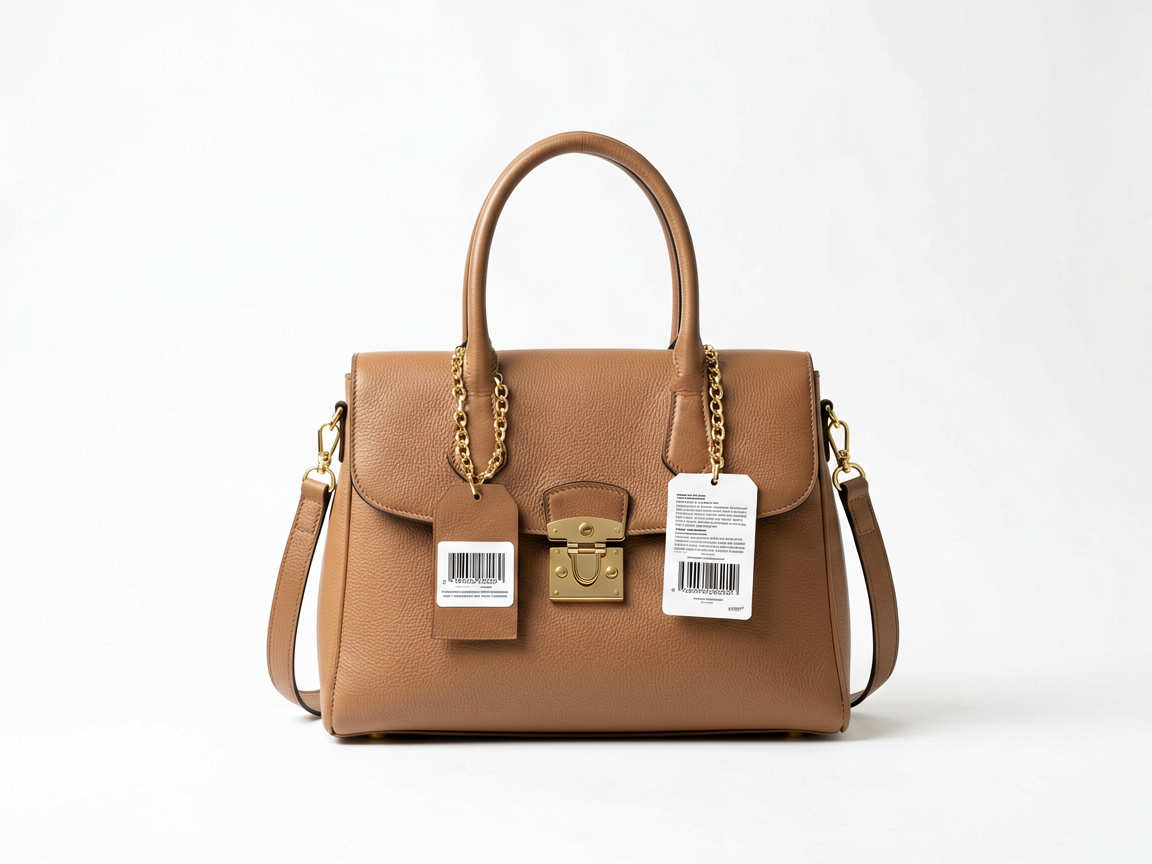
| Hang tag | Displays logo, product story, care notes, or barcode. |
| Dust bag | Protects higher-value handbags and improves presentation. |
| Poly bag or tissue paper | Protects the product during storage and shipment. |
| Carton mark | Helps warehouse teams identify style, color, quantity, and destination. |
Not every handbag needs every element. A boutique brand may prioritize a dust bag and hang tag, while a marketplace seller may focus on barcode position, warning text, and compact packing.
Custom Handbag Packaging for Different Sales Channels
Retail boutiques usually need packaging that supports shelf display and customer unboxing. Wholesale buyers often need clear carton marks and consistent item-level labels for inventory control.
Marketplace sellers should confirm platform documentation for barcode readability, poly bag warnings, carton labels, and package size rules. Requirements may vary by country, marketplace, warehouse, and product type, so buyers should approve channel-specific packaging before bulk packing.
Branded Handbag Packaging Approval Checklist
- Logo file format, Pantone or color reference, and logo placement.
- Label type, size, sewing position, and material feel.
- Hang tag size, string type, barcode area, and language.
- Dust bag fabric, drawstring style, and print method.
- Barcode test scan, warning text, and carton mark review.
- Final packing method, carton quantity, and pre-shipment inspection points.
Packaging samples are useful because screen color and physical material can look different. For handbag styles that may need packaging planning, visit the products page.
Factory Experience: Connecting Packaging With Production Flow
Packaging should be discussed early, not after handbags are finished. Label sewing affects production steps. Hang tags and barcodes affect final packing. Dust bags and cartons affect warehouse handling. When these items are confirmed late, the project may need extra checking or rework.
In a typical private label handbag project, the buyer confirms the bag sample, label position, hang tag artwork, dust bag option, barcode file, and carton mark before mass production. This helps design, purchasing, production, packing, and inspection teams work from the same approved details.
FAQ
What is included in private label handbag packaging?
Private label handbag packaging can include woven labels, printed labels, hang tags, dust bags, tissue paper, poly bags, barcodes, care cards, carton marks, and retail-ready outer packaging. The final setup depends on handbag style, sales channel, target market, order quantity, and brand presentation requirements.
Can handbag packaging be customized for Amazon or retail stores?
Yes. Packaging can usually be prepared for Amazon, boutiques, department stores, wholesale delivery, or direct-to-consumer shipping. Buyers should confirm barcode placement, carton labeling, warning text, hang tag content, and packaging durability before bulk production because requirements vary by channel and country.
Do private label handbags need barcode labels?
Barcode labels are often needed when handbags are sold through marketplaces, retail chains, warehouses, or multi-SKU wholesale programs. Buyers should provide the correct barcode files and placement instructions, then test scan samples before mass packing to reduce receiving or inventory problems.
What dust bag materials are commonly used for handbag packaging?
Common dust bag options may include cotton, non-woven fabric, microfiber-style fabric, satin-like fabric, or other materials selected by the brand. The best choice depends on handbag value, target market, logo method, color requirements, packing size, and the buyer’s presentation budget.
Does private label packaging affect handbag production cost?
Yes. Packaging can affect total project cost because materials, printing method, logo process, carton structure, label quantity, barcode work, and packing labor all influence the quotation. Buyers should request product and packaging costs clearly so they can compare practical options.
Plan Your Branded Handbag Packaging With Junhao Handbag
If you are preparing a private label handbag project, share your bag style, logo files, target market, sales channel, packaging ideas, and estimated order quantity with Junhao Handbag. Our team can help review practical packaging options that match your handbag design and B2B selling requirements.