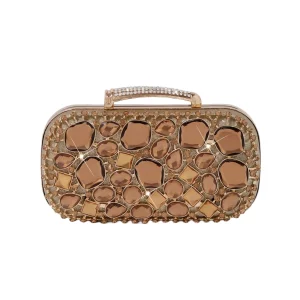
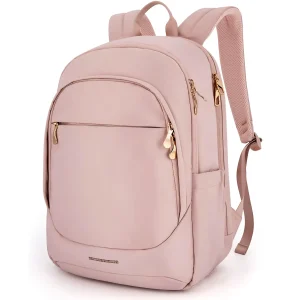
Private Label Handbag Startup Guide for B2B Brands
Reviewed by Junhao Handbag private label project team, responsible for custom handbag communication, logo planning, sample review, and OEM/ODM production coordination for B2B buyers.
This private label handbag startup guide is for brands preparing logo, material, packaging, sample, and launch-ready handbag production. It is a private label planning article, not a general factory selection guide. Cost, timing, MOQ, and packaging decisions depend on material, customization, order quantity, target market, and production complexity.
What Private Label Handbags Mean for a Startup
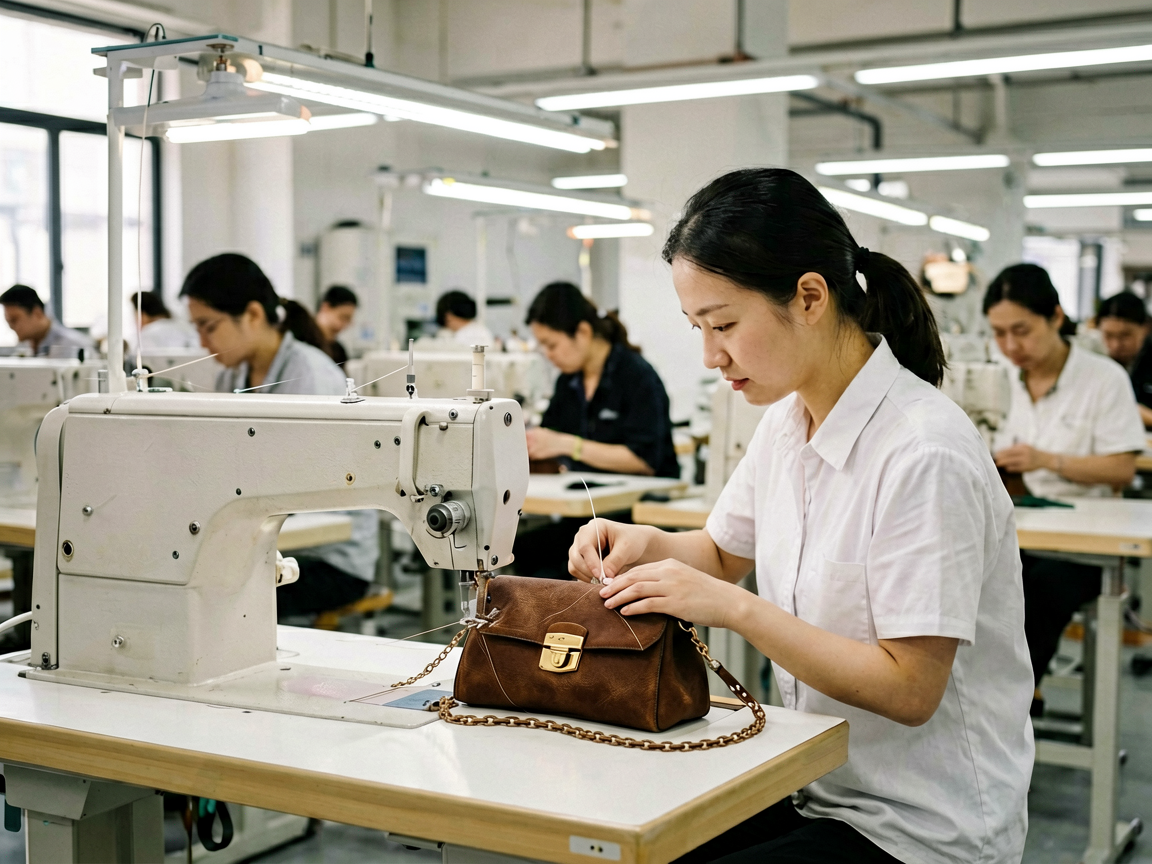
Private label handbags usually begin with an existing or adaptable bag direction, then add the buyer’s brand identity. A startup may customize logo placement, lining, color, hardware finish, hang tag, dust bag, barcode label, or retail packaging while keeping the structure practical for repeat production.
This differs from OEM, where the buyer supplies a complete design or tech pack, and ODM, where the factory may support deeper style development. For many new brands, private label is a focused way to test a market before investing in more complex handbag development.
Private Label Handbag Startup Guide: Launch Planning Checklist
Before contacting a private label handbag manufacturer, prepare a clear launch brief. In startup inquiries, missing details often lead to repeated sample revisions, especially around logo size, lining color, strap length, and packaging expectations.
- Target customer, sales channel, and target market.
- Main category, such as tote, crossbody, shoulder bag, cosmetic bag, or pouch.
- Material direction, such as PU, vegan leather, canvas, nylon, recycled fabric, or mixed materials.
- Logo file, logo position, label style, hang tag, and packaging plan.
- Estimated order quantity and any channel rules for labeling, barcode, or carton marks.
For custom support, visit Custom Handbag Solutions.
Branding and Packaging Decisions for Private Label Handbags
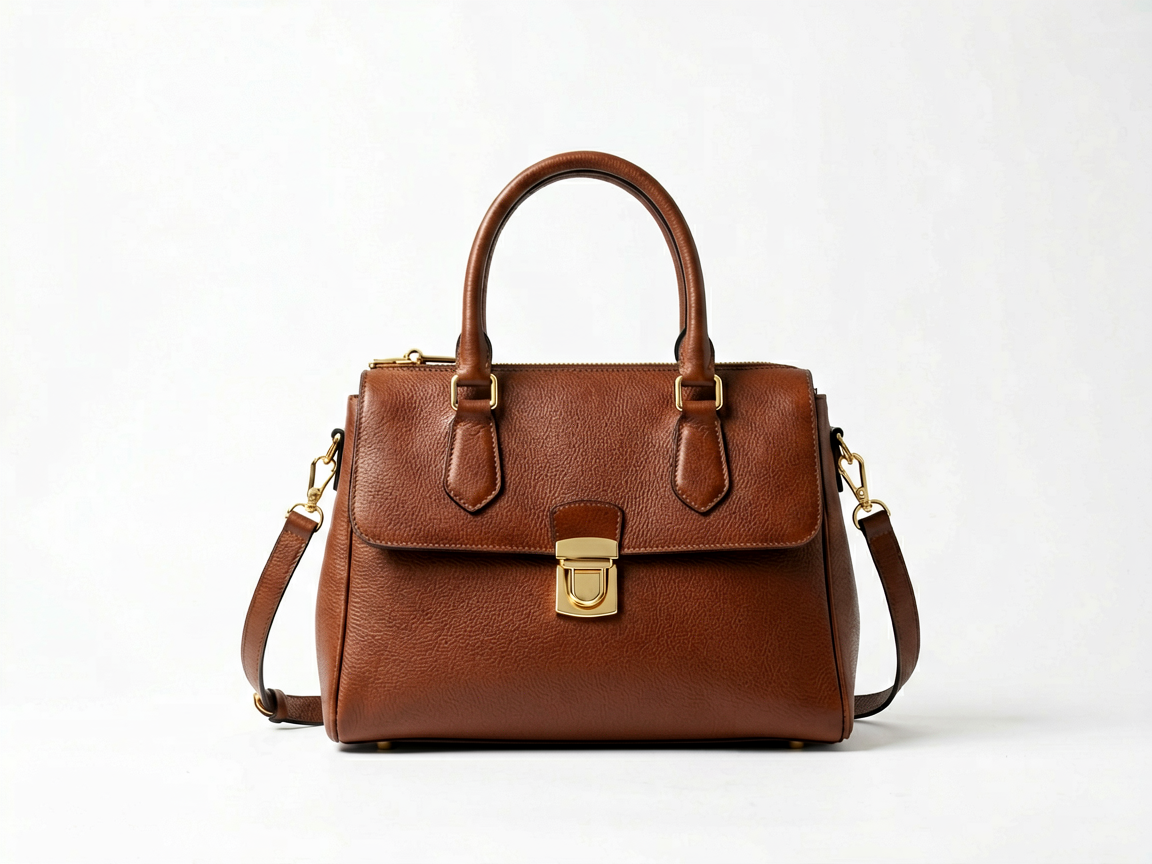
Branding is more than a front logo. Buyers should consider how the bag looks when opened, displayed, photographed, packed, shipped, and reordered. Common options include metal logo plates, embossing, debossing, woven labels, printed lining, zipper pullers, hang tags, dust bags, and simple retail cartons.
Packaging should match the channel. Boutique brands may prefer a dust bag and premium hang tag. E-commerce sellers may need barcode labels, SKU identification, protective packing, and carton planning. If barcode rules apply, buyers can also review official barcode guidance from GS1.
Material, Logo, and Sample Decisions That Affect Production
Startups often perform better with a focused capsule collection instead of many unrelated styles. Shared materials, color families, hardware finishes, and label details make sampling, photography, sourcing, and repeat ordering easier.
| Decision | Startup-Friendly Direction |
|---|---|
| Style range | Start with a focused collection before expanding |
| Material | Match the target price point, channel, and durability need |
| Logo method | Confirm suitability for the chosen material and surface |
| Packaging | Keep it protective, practical, and retail-ready |
During sample review, check shape, size, stitching, lining, zipper movement, handle strength, hardware finish, logo placement, and packaging presentation. See product directions on the Products page.
Private Label vs OEM vs ODM for New Handbag Brands

| Model | Best Fit | Buyer Input |
|---|---|---|
| Private label | Brand launch using adaptable styles | Logo, material, color, packaging, market needs |
| OEM | Production from a complete buyer design | Tech pack, sample, drawings, specifications |
| ODM | Design development with factory support | Style direction, market goal, material preference |
This comparison helps startups decide how much product development work they are ready to manage before sample approval and bulk planning.
Quotation and Compliance Details to Confirm Early
A useful quotation normally requires style references, size, material, lining, hardware, logo method, packaging, estimated order quantity, and target market. Exact cost or timing should not be assumed before the factory reviews production details and sample requirements.
If your sales channel requires labeling, barcode, material declaration, or market-specific testing, raise those points before bulk planning. This helps reduce avoidable repacking, relabeling, or late-stage approval issues.
FAQ
What should a startup prepare before starting private label handbag production?
A startup should prepare the target customer profile, handbag category, material direction, logo files, packaging needs, estimated order quantity, and target market. Clear references, sketches, or product samples help the factory understand the brand position before sample development begins.
Can a startup launch private label handbags without creating a new design from zero?
Yes. Many startups begin by adapting existing or factory-developed handbag styles with brand logos, material changes, lining updates, hardware color, hang tags, dust bags, or retail packaging. This can reduce development complexity compared with creating a completely new bag structure.
What affects the cost of private label handbags for startups?
Cost depends on material, hardware, lining, logo method, packaging, order quantity, target market requirements, and production complexity. A factory can usually provide a more useful quotation after reviewing the style, customization details, and expected purchase plan.
Which logo methods are common for private label handbags?
Common logo methods include metal logo plates, embossing, debossing, screen printing, woven labels, printed lining, zipper pullers, and hang tags. The best option depends on the handbag material, brand positioning, durability expectations, order quantity, and production process.
Why is sample review important before bulk private label production?
Sample review helps confirm the handbag shape, size, stitching, lining, hardware, logo placement, zipper movement, handle strength, and packaging presentation before bulk production. Specific comments reduce misunderstanding and help the factory adjust details more efficiently.
Build Your Private Label Handbag Line with Junhao Handbag
If you are preparing a handbag startup, share your style references, logo plan, material preference, packaging idea, target market, and expected order quantity with Junhao Handbag. Start your project discussion through the Contact Us page.