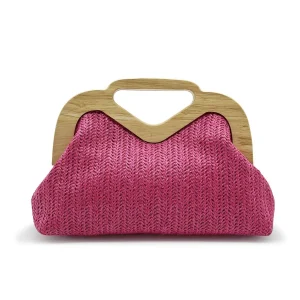
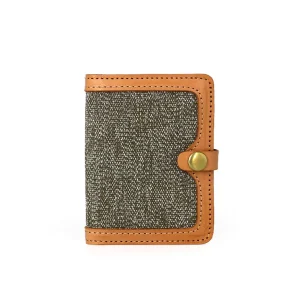
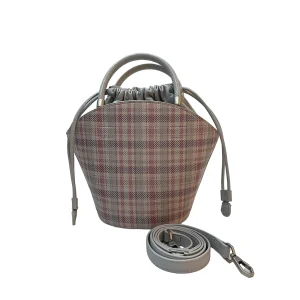
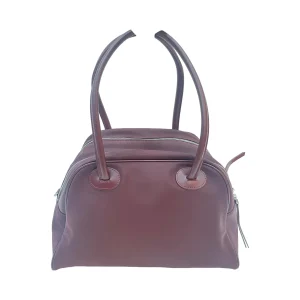
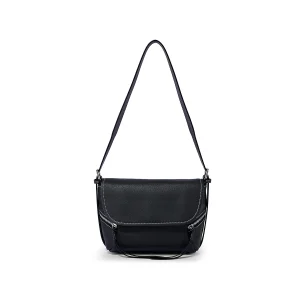
Private Label Handbag Supplier for Retailers
A private label handbag supplier for retailers helps stores, boutiques, ecommerce sellers, and buying teams turn handbag concepts into branded retail products. The main goal is not only production; it is creating a handbag line that fits your customer, price position, packaging style, and repeat-order plan.
For retailers, private label usually means adapting a suitable handbag style, selecting materials and colors, adding brand identity, confirming packaging, and approving samples before bulk production. Junhao Handbag supports B2B buyers through custom handbag development and retail-oriented communication. You can explore related options on our custom handbag solutions page.
What a Private Label Handbag Supplier for Retailers Actually Supports
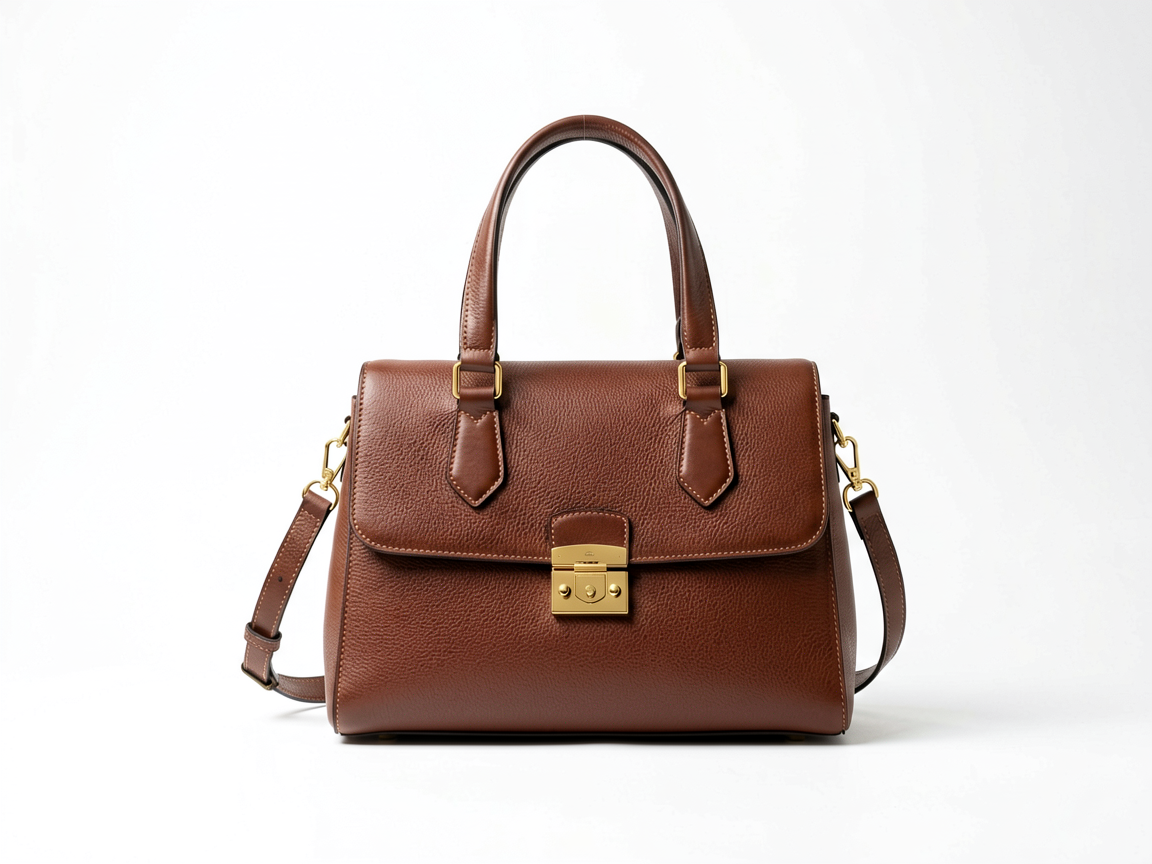
Private label handbag supply focuses on making a product look and feel like your retail brand. This can include logo hardware, embossed marks, woven labels, hang tags, branded dust bags, lining details, zipper pullers, color matching, and packaging presentation.
The supplier should also help translate retail requirements into production information. A buyer may describe a bag as premium, casual, vegan-friendly, travel-ready, or boutique style. The factory side must convert that into material choices, structure, stitching, lining, hardware, and sample details.
Retail Branding Elements to Confirm Early
Branding decisions affect materials, sampling, and production planning, so retailers should not leave them until the final stage. The best approach is to define the visible brand elements first, then confirm which options fit the handbag design.
| Branding Element | Retail Purpose | Typical Consideration |
|---|---|---|
| Logo method | Build brand recognition | Embossing, metal plate, printing, woven label, or zipper puller |
| Hang tag | Support in-store presentation | Brand story, barcode, care note, or collection message |
| Dust bag | Improve perceived value | Fabric, print color, logo size, and packing method |
| Inner label | Show ownership quietly | Placement, material, stitching, and compliance text if required |
Materials and Style Direction for Retail Handbag Lines
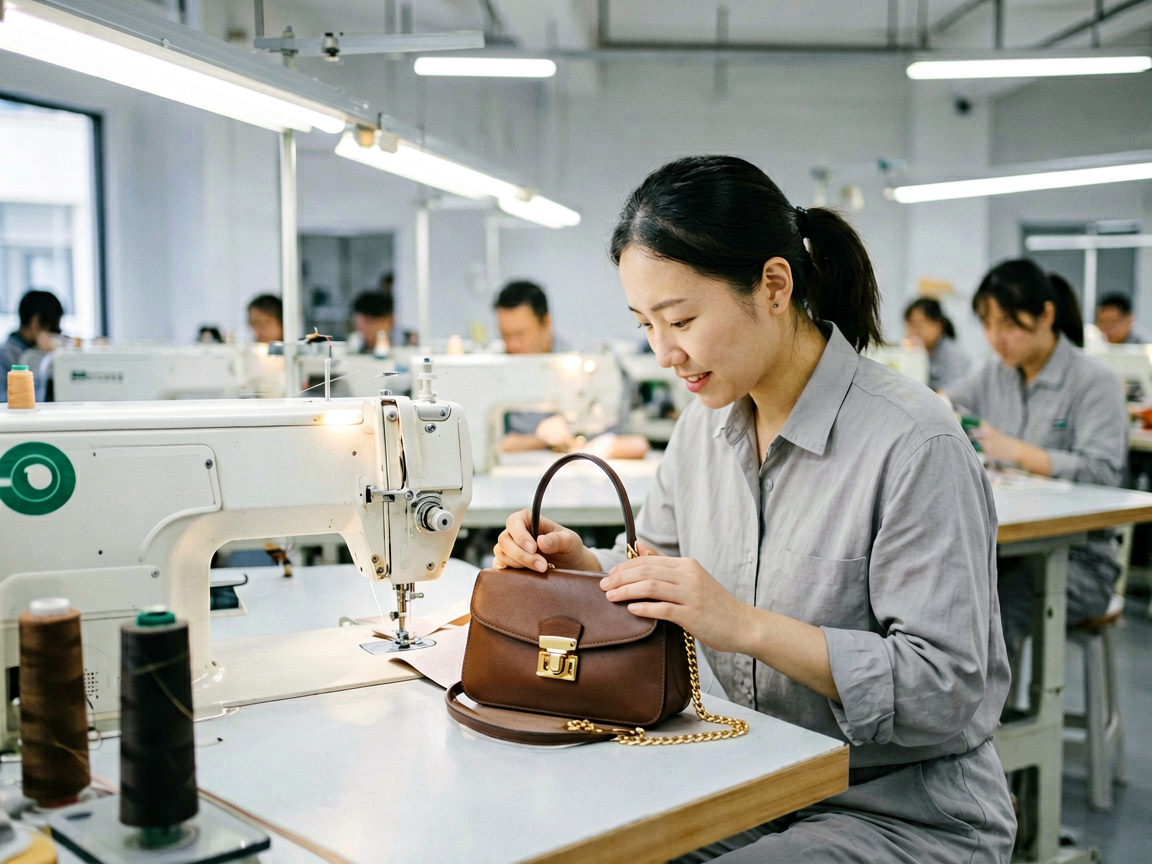
Retailers should choose materials based on customer expectations, target market, price position, and care requirements. PU, vegan leather alternatives, canvas, nylon, recycled fabrics, and genuine leather can all support different brand stories. The right material depends on the look, hand feel, durability expectations, and production complexity.
If your collection includes tote bags, crossbody bags, shoulder bags, cosmetic bags, or travel pouches, review the product range on the Junhao Handbag products page and use it as a reference when building your brief.
Sample Approval Before Retail Orders
For private label retail projects, a sample is the bridge between brand idea and bulk order. It should confirm size, structure, material, color, logo placement, lining, hardware, stitching, and packaging direction. If changes are needed, they should be recorded clearly before the next sample or production confirmation.
Sample timing and cost can vary depending on material availability, customization, order quantity, packaging, target market, and production complexity. Retailers should approve the final reference sample before moving into bulk production.
Retail-Ready Checklist for B2B Buyers
- Define the target shopper, sales channel, and retail price position.
- Confirm handbag type, size, function, material, and color direction.
- Choose logo methods and packaging elements before sampling.
- Prepare barcode, hang tag, care label, or marketplace packaging needs if required.
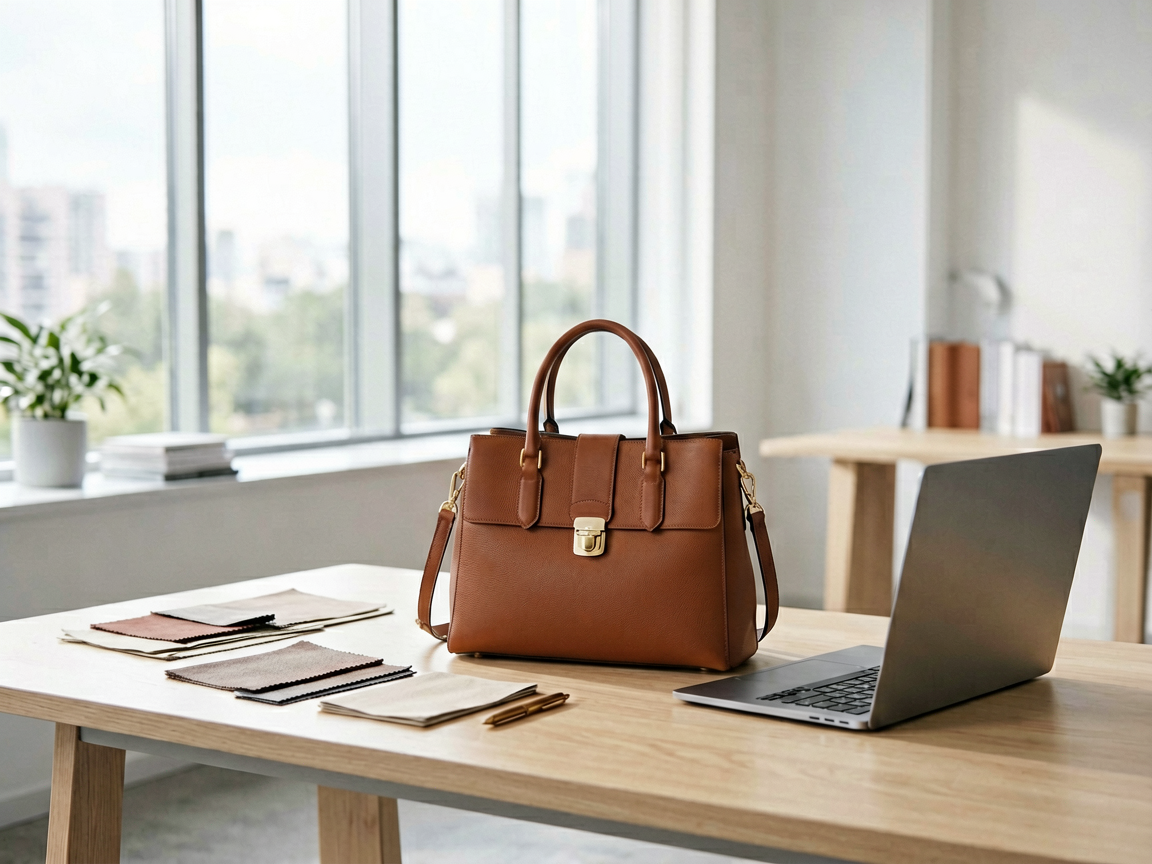
- Approve material swatches, logo artwork, and final sample details.
- Share estimated quantity and reorder expectations for production planning.
This checklist keeps the project focused on retail readiness rather than only unit production. It also helps the supplier understand what must be consistent across future orders.
How Junhao Handbag Works With Retail Buyers
Junhao Handbag works with overseas B2B buyers on custom handbag projects that require clear communication, practical material discussion, and brand presentation details. For private label retailers, the most useful starting point is a short product brief with reference photos, expected materials, logo artwork, packaging ideas, and target order information.
If your team is planning a new private label handbag range, send your style direction, branding needs, and retail channel requirements through our contact page. We can discuss suitable customization directions before sampling or quotation.
FAQ
What should retailers prepare before starting a private label handbag project?
Retailers should prepare the target customer profile, preferred handbag style, material direction, logo method, packaging needs, estimated order quantity, and target market. A reference sample or product brief helps the supplier understand the retail positioning before sampling or quotation.
Can private label handbags use existing styles with retailer branding?
Yes. Many private label projects start from existing or adjusted handbag styles, then add retailer branding such as logo plates, woven labels, hang tags, dust bags, or customized packaging. Final options depend on material, order quantity, production complexity, and brand presentation requirements.
How can retailers keep private label handbag orders retail-ready?
Retailers should confirm product structure, material swatches, logo placement, color standards, packaging details, barcode or label needs, and final samples before bulk production. Clear approval steps reduce misunderstandings and help the handbags arrive ready for store or online sales channels.