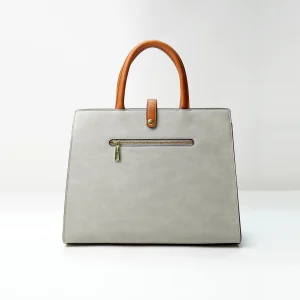
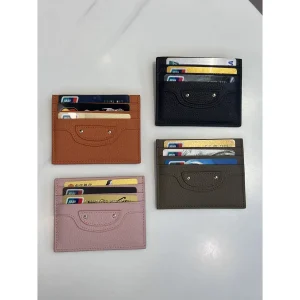
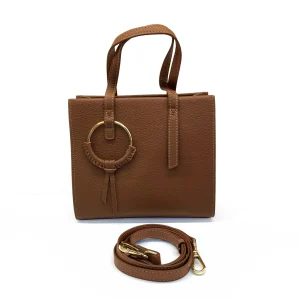
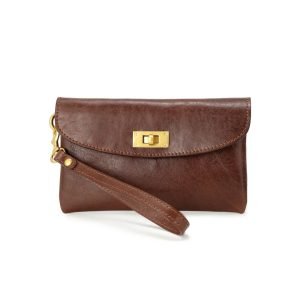
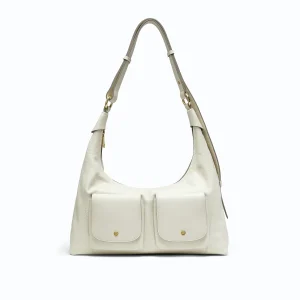
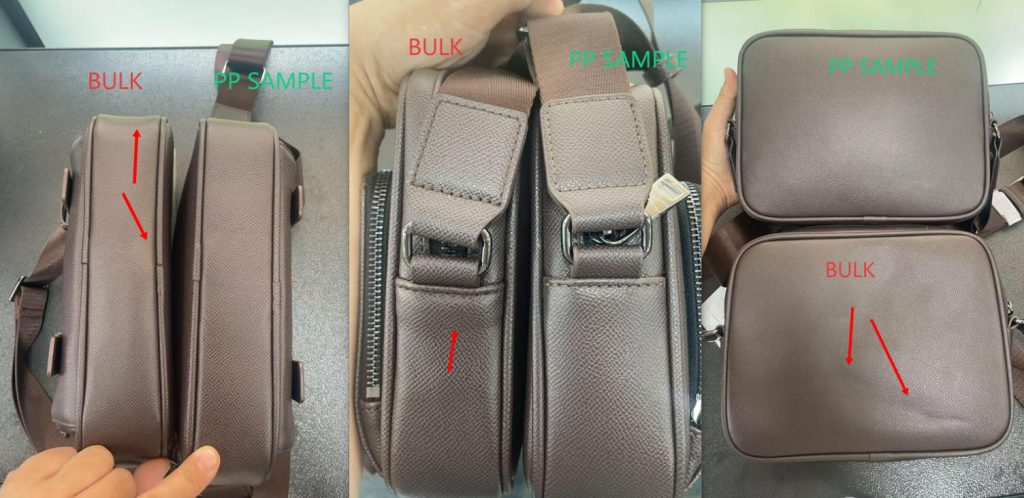
A beautiful development sample does not automatically guarantee that every unit in bulk production will look exactly the same. Materials, production methods, operator consistency, hardware batches and quality standards can all affect the final result. As a direct bag manufacturer with 19 years of experience, we have handled many projects in which the real challenge was not making one good sample, but reproducing that quality consistently across an entire order.
Why Sample-to-Bulk Differences Happen
The initial development sample is often produced by an experienced pattern maker using extra time and careful handwork. Bulk production is different. It must follow a repeatable process involving cutting, skiving, lamination, stitching, edge painting, hardware installation, assembly and inspection. A design that looks excellent in a one-off sample may still create difficulties when hundreds or thousands of units are produced on a production line.
Common causes of discrepancies include changes in leather lots, inconsistent color standards, unclear hardware specifications, different reinforcement materials, tolerances that were never written down, and workmanship details that were approved verbally but not documented. Even small differences in leather thickness, zipper tension or interfacing placement can affect the final appearance and structure of a bag.
1. Work With a Genuine Direct Manufacturer
The first step is to verify who will actually manufacture your order. A trading company may provide professional communication, but the production may be outsourced to several workshops. This makes it harder to control materials, workmanship and delivery schedules.
Whenever possible, visit the factory or arrange a live video inspection. Check whether the supplier has an in-house pattern room, sample room, material storage area, production workshop and quality-control team. Ask who is responsible for development, production management and final inspection. A reliable manufacturer should be able to explain the complete production flow instead of giving only general sales answers.
Factory transparency is especially important for brands developing unique shapes, premium leather products or complex structures. The manufacturer should understand not only how to make the sample, but also how to standardize the process for bulk production.
For a more detailed supplier evaluation checklist, read how niche brands can choose the right leather bag manufacturer.
2. Approve a Pre-Production Sample, Not Only the Initial Sample
The initial sample is mainly used to confirm the design, dimensions, visual proportions and general construction. It may be made with substitute materials or extra hand-finishing while the pattern is still being adjusted.
A pre-production sample should be made after the main materials, hardware, lining, reinforcement and production methods have been confirmed. Ideally, it should follow the same process that will be used for bulk production. This makes it a more realistic reference for the final order.
Before authorizing mass production, confirm the following in writing:
- Finished dimensions and acceptable tolerances
- Leather type, thickness, color and surface finish
- Lining, interfacing and reinforcement specifications
- Hardware color, plating, logo position and installation method
- Stitch color, stitch density and edge-paint standard
- Zipper brand, size, color, puller and opening performance
- Packaging, labels, dust bags, cartons and barcode requirements
Both the buyer and manufacturer should keep a signed or sealed reference sample. Photos alone are useful, but they cannot fully record hand feel, stiffness, thickness, color under different lighting or zipper performance.
3. Create a Clear Product Specification Sheet
A sample should be supported by a detailed specification sheet. This document becomes the common reference for the brand, merchandiser, production manager and quality inspector. It should include measurements, materials, construction notes, approved colors, hardware codes, logo details and defect standards.
Do not rely on expressions such as “same as the sample” or “make it premium.” These descriptions are too subjective. Instead, define measurable standards. For example, specify the acceptable tolerance for body width, handle drop, strap length, logo placement and stitch distance from the edge.
When natural leather is used, the specification should also explain which natural characteristics are acceptable. Growth marks, slight grain variation and minor color differences can be normal, while deep scars, loose grain, peeling finishes or obvious shade differences may be rejected.
Material standards are easier to set when buyers understand how to identify high-quality cowhide leather.
4. Confirm Materials From the Actual Production Lot
Leather is a natural material, so one hide or batch may not be identical to another. Before cutting begins, the factory should confirm the production lot for color, grain, thickness and hand feel. For larger orders, leather should be sorted so that visible panels on the same bag are reasonably consistent.
Hardware also needs batch control. Two pieces described as “light gold” may look different if they come from different plating suppliers or production lots. The same applies to zippers, webbing, lining and edge paint.
Ask the factory to prepare material swatches or a material confirmation board. Once approved, the same references should be used during incoming inspection and final quality control.
5. Run a Small Pilot Production When Necessary
For complicated new designs, a small pilot run can reveal problems that one sample cannot show. The factory may produce a limited quantity using the intended production line, workers, tools and workflow. This helps identify bottlenecks, inconsistent stitching, weak reinforcement, zipper distortion or assembly difficulties before the complete order is launched.
A pilot run is especially useful for structured bags, curved zipper openings, unusual handles, thick leather, multiple edge-painted layers or designs that require special molds.
One common production risk is zipper distortion. See how custom molds help create smooth zippers on leather bags.
6. Control Hidden Construction Details
Some of the most important quality differences cannot be seen from the outside. Reinforcement materials, glue coverage, folded edges, skiving thickness and seam allowances all affect durability and shape.
For structured bags, uneven lamination can create bubbles, wrinkles, crooked stitching or a sagging body. The factory should define the interfacing material and lamination method during sample approval rather than changing them during production to reduce cost or save time.
Learn more about interfacing lamination and structured leather bag construction.
7. Arrange In-Process and Final Inspection
Inspection should not begin only after every bag is finished. In-process checks can catch problems before they spread across the entire order. The quality team should inspect key stages such as cutting, skiving, lamination, stitching, edge painting, hardware installation and final assembly.
Before shipment, buyers can arrange an internal factory inspection or hire an independent third-party inspection company. Depending on the order value and risk level, inspection may involve random sampling or a 100% full inspection.
The inspection checklist should cover appearance, measurements, workmanship, material consistency, zipper function, hardware, logo position, cleanliness, packaging and carton information. Any agreed corrective work should be completed before shipment.
8. Agree on a Practical Defect and Dispute Process
No manufacturing process can promise absolute perfection in every unit, so buyers and factories should agree on quality levels and remedies before production. Define what is considered a critical, major or minor defect. Also confirm how rework, replacement, credit or compensation will be handled if the delivered goods do not meet the approved standard.
When a problem occurs, both sides should compare the goods against the approved sample, specification sheet, inspection report and written communication. This is more effective than arguing from memory or subjective expectations.
Our Honest View as a Direct Bag Manufacturer
Over 19 years, we have seen brand buyers suffer losses after choosing suppliers based only on the lowest quotation. We have also seen disagreements caused by small details that were never clearly documented. In most cases, prevention is far less expensive than correction.
A responsible manufacturer will not intentionally produce bulk goods that are inconsistent with the approved standard. Long-term factories depend on reputation, repeat orders and stable partnerships. However, good intentions still need professional systems. Clear samples, written specifications, controlled materials and inspections protect both the buyer and the factory.
When sourcing a custom bag manufacturer, compare more than price. Review sample quality, production capability, communication accuracy, problem-solving attitude and after-sales responsibility. The way a supplier handles small issues during development often predicts how they will handle larger problems during production.
Frequently Asked Questions
What is the difference between an initial sample and a pre-production sample?
An initial sample is mainly used to develop and confirm the design. A pre-production sample should use confirmed materials and production methods that closely represent the final bulk order.
Should the buyer keep an approved sample?
Yes. The buyer and factory should each keep an approved reference sample. It is one of the most useful tools for production control and dispute resolution.
Is third-party inspection necessary for every order?
Not always. The decision depends on order value, product complexity, supplier history and risk level. It is particularly useful for first orders, high-value orders and new product structures.
Can genuine leather bulk goods be completely identical?
Natural leather will show reasonable variation in grain, texture and shade. The goal is not artificial uniformity, but consistency within the approved quality range.
Need Better Control Over Your Next Bag Order?
We provide integrated bag development and production services for independent brands, including pattern making, sampling, material sourcing, production management and quality inspection. Send us your design, target material, quantity and quality requirements, and our team will help evaluate the project before production.