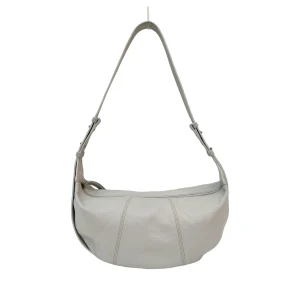
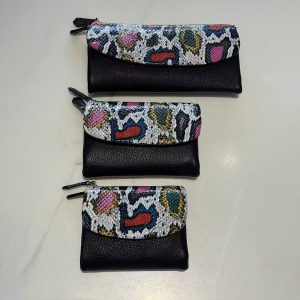
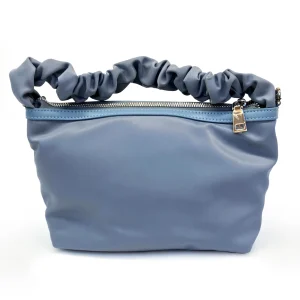
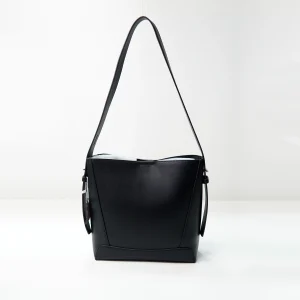
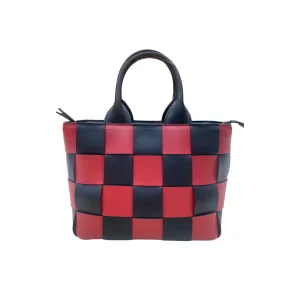
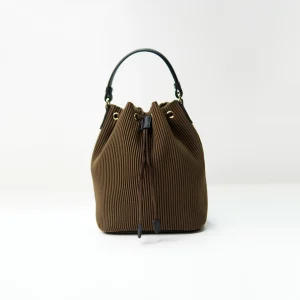
Finding a reliable genuine leather bag manufacturer is difficult for many niche brands. Premium leather products require more than basic sewing capacity. The factory must understand design, leather, structure, craftsmanship, sampling, production control and problem solving.
Why do many independent and niche brands choose to work with specialized manufacturers instead of general bag factories? Because unique designs and premium materials require a team that can understand the product before mass production begins.
What Makes a Good Genuine Leather Bag Manufacturer?
A good manufacturer should combine three abilities: product knowledge, customer-oriented development and integrated production support.
1. Deep Knowledge of Leather Bags and Craftsmanship
A professional genuine leather bag manufacturer should understand how leather behaves during cutting, skiving, folding, stitching, edge painting, molding and assembly.
The team should be able to identify risks in a design draft. For example:
- Will the bag keep its intended shape?
- Is the leather too soft or too thick?
- Does the zipper curve need a mold?
- Where should reinforcement be added?
- Can the proposed edge be folded or edge-painted?
- Will the handle connection support daily use?
Technical feedback before sampling saves time and reduces repeated revisions.
2. Ability to Understand a Brand’s Design Intention
Niche brands often have strong visual ideas but incomplete technical files. A skilled development team should be able to understand sketches, reference images and design drafts, then convert them into patterns and construction methods.
The factory should not only copy the appearance. It should understand the intended proportion, structure, hand feel and target customer.
Customer-oriented service means asking the right questions and giving practical recommendations instead of simply saying yes to every request.
3. One-Stop Design, Development and Production
Integrated service reduces communication gaps. A one-stop factory can support:
- Design evaluation
- Pattern making
- Material sourcing
- Sample development
- Pre-production confirmation
- Bulk manufacturing
- Quality inspection
- Packaging and shipment preparation
When the pattern room, sample room and workshop work together, design comments can be transferred into production more accurately.
4. Experience With Premium Leather
Leather selection affects the entire product. The manufacturer should understand top-grain cowhide, full-grain leather, corrected leather, split leather and different finishing methods.
It should also know how to match leather thickness and temper to the bag structure.
Buyers can use our guide to identifying high-quality cowhide leather when reviewing material options.
5. Capability for Unique Bag Shapes and Innovative Techniques
Niche brands often compete through distinctive design rather than mass-market volume. A suitable factory should be comfortable with unusual silhouettes, curved openings, structured bodies, layered edges, custom handles and special hardware.
Complex designs may require custom molds, special reinforcement or several rounds of sampling. The factory should explain the production risks clearly before confirming the order.
For example, curved openings may need custom zipper shaping to keep the zipper smooth and flat.
6. In-House Workshop and Real Production Control
A direct manufacturer should be able to show where the products are made. Visit the workshop or arrange a live video tour. Check the pattern room, cutting area, sewing lines, edge-painting stations, assembly area and inspection zone.
Some specialized processes may be outsourced, but the factory should clearly explain how outside suppliers are managed.
Our own 2,000 m² production workshop integrates bag research, development and manufacturing. This allows our team to follow the project from design to finished production.
7. Quality Control From Sample to Bulk Production
A beautiful sample is not enough. The factory must be able to reproduce the approved standard during bulk production.
Professional quality control should include:
- Incoming leather and hardware inspection
- Cutting and panel matching
- Skiving and reinforcement control
- Stitching and edge-painting inspection
- Zipper and hardware function checks
- Final measurement and appearance inspection
Read how to prevent bag sample and bulk production differences.
8. Attention to Hidden Construction Details
Premium leather bags are defined by more than visible leather and hardware. Internal backing, glue application, lamination, seam allowances and reinforcement determine whether the bag keeps its shape.
Learn why leather bag interfacing lamination is important for structured products.
9. Flexible Support for Independent and Niche Brands
Independent brands may need smaller quantities, more revisions and greater material flexibility than large mass-market buyers.
A suitable manufacturer should explain the minimum order quantity clearly. MOQ may depend on leather purchasing, custom hardware, lining printing, color development and production setup.
The factory may also recommend stock leather, shared hardware or alternative construction methods to help a brand start with a more manageable order.
10. Honest Communication and After-Sales Responsibility
The true quality of a supplier is often revealed when a problem occurs. A responsible factory should identify the cause, explain the solution and follow through on correction.
Do not judge a supplier only by fast replies or low quotations. Pay attention to whether the answers are accurate and whether the team takes responsibility for details.
Why Niche Brands Work With Us
We focus on genuine leather bags, selected top-grain leather and detailed craftsmanship. Our management team has 19 years of experience working with animal hides and imported leather materials.
We provide integrated design development and production support in our 2,000 m² in-house workshop. Our team has cooperated with more than 100 independent brands in domestic and overseas markets.
We are especially experienced in unique bag shapes, premium leather and detailed production techniques. Our goal is not only to make one attractive sample, but to help the brand achieve stable and repeatable production.
Genuine Leather Bag Manufacturer Evaluation Checklist
- Does the supplier have a real workshop?
- Is there an in-house pattern and sample room?
- Can the team explain leather and construction details?
- Does the factory understand unique shapes?
- Can it provide pre-production samples?
- Are quality standards documented?
- Can the factory handle small or medium custom orders?
- Does it respond responsibly when problems occur?
Frequently Asked Questions
What should I send to a genuine leather bag manufacturer?
Send sketches, dimensions, reference images, leather preferences, target quantity, logo requirements and delivery expectations.
Can a niche brand start with a small order?
It depends on the leather, hardware, colors and construction. Stock materials may help reduce the MOQ.
What is the difference between OEM and ODM?
OEM usually follows the buyer’s design, while ODM can include product-development and design support from the factory.
Why is an in-house pattern room important?
It allows the factory to adjust structure, dimensions and construction quickly during development.
Looking for a Genuine Leather Bag Manufacturer?
Share your design draft, target material and estimated quantity. Our development team can evaluate the structure, craftsmanship and production feasibility.