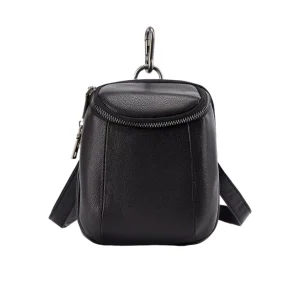
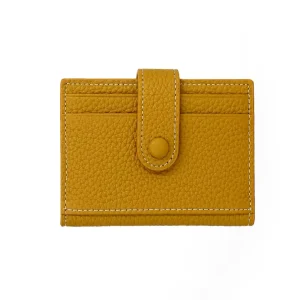
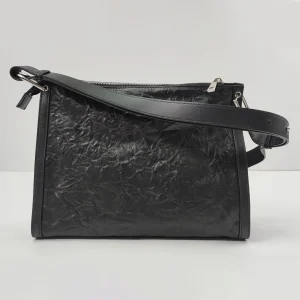
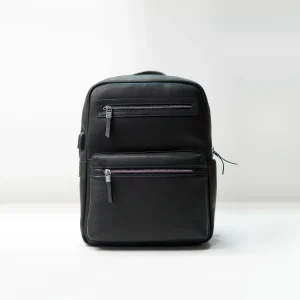
Ettinger factory sourcing is a practical study in how British leather craft can become a repeatable original product program. Ettinger’s official storefront presents a family-owned company founded in 1934, handmade production in the United Kingdom, Capra and Bridle Hide leather goods, work cases, travel bags, personalisation and corporate gifting. For private-label and OEM teams, the useful task is to translate those public signals into new proportions, functions, materials and quality controls without reproducing protected brand elements.
Research note: observations are based on Ettinger’s official storefront and public service categories reviewed in August 2026. This article does not imply an Ettinger relationship, supplier access or confidential manufacturing knowledge.
What Ettinger’s public assortment makes visible
The official site positions Ettinger as a long-standing purveyor of luxury leather goods and a champion of handmade British craft. It says the business remains family-owned and is one of the last British luxury leather-goods brands still producing in the UK. Those are brand-published statements. They matter to sourcing managers because they connect product value to place, process and continuity rather than to a short-lived novelty.
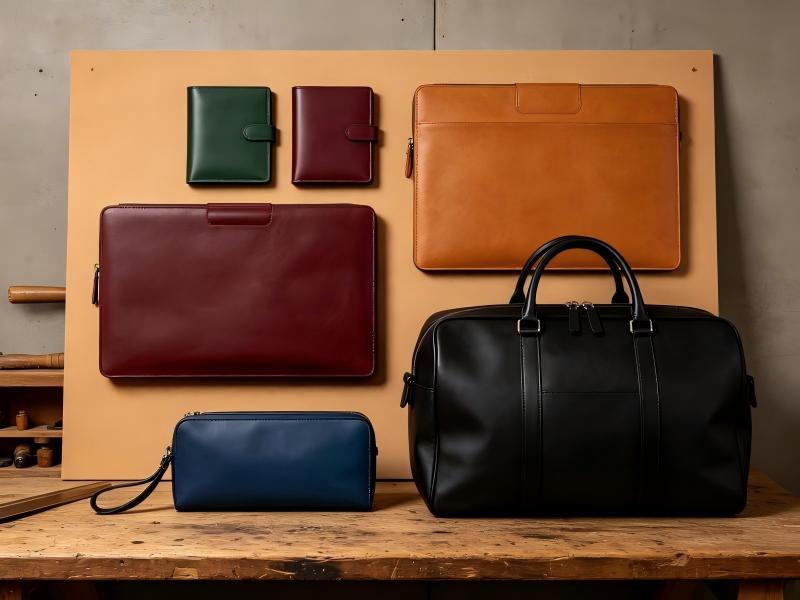
The current navigation reveals a broad but coherent product architecture: men’s and women’s wallets, card holders, purses, travel bags, totes, portfolios, briefcases, pill cases, key accessories, watch rolls, travel flasks, belts, stationery, wash bags, pouches, gift sets, golf accessories, games and personalised products. That range is a useful map for a factory brief. It shows how one leather language can move from a pocket object to a travel case while preserving a recognisable level of finish.
Visible homepage products include Capra Pill Case, Bridle Hide Billfold Wallet with six card compartments, Bridle Hide Double Pen Case, Capra Glasses Case, the Bosco Laptop Case, Pursuits Cotswold Weekend Bag and Pursuits Hurlingham Overnight Bag. The page shows color options such as forest green, bordeaux, tan, black, marine blue, London tan, navy, petrol blue, olive, havana, sand and ivory. Prices are publicly displayed in the site’s selected currency and should be treated as retail observations, not factory cost benchmarks.
Ettinger factory sourcing starts with a product ladder
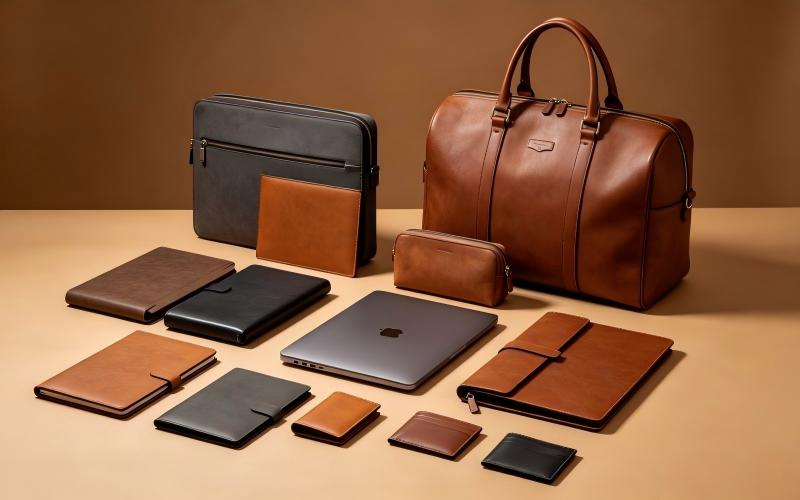
The strongest factory translation is a product ladder that begins with a small, giftable leather object and rises toward a work or travel hero. Start with a card case or pen case, add a wallet or glasses case, then develop a document folio, laptop case, overnight bag and weekend bag. Each rung has a different material consumption, reinforcement need and inspection burden, but the family can share a controlled edge treatment, lining logic and color story.
- Pocket entry: card holder, coin purse, pill case or key accessory with precise edges and compact packaging.
- Desk companion: pen case, glasses case, notebook cover or slim folio designed around daily handling.
- Work carry: laptop case, portfolio or briefcase with protected electronics, stable handles and organized interior zones.
- Short travel: wash bag, pouch or overnight bag with easy access and clean packing geometry.
- Weekend hero: a larger bag with reinforced base, load-tested handles and a practical shoulder option.
A ladder helps a retailer build a good-better-best edit without making every product a miniature version of the same silhouette. It also gives a factory a rational sampling order: validate small components and edge work first, then move to larger bodies where yield, structure and load become more complex.
Make the ladder visible in the line sheet. Show the entry product, its intended gift occasion, the mid-tier daily item and the hero travel style on one spread. Include dimensions, weight, material, carry mode, packaging and personalisation availability. This allows a buyer to build a focused edit for a boutique, a corporate program or an online store without ordering every SKU. It also helps the factory understand which products deserve the strongest component continuity.
Capra and Bridle Hide as material development signals
Ettinger’s public assortment names Capra and Bridle Hide categories. The useful B2B lesson is to treat named material families as performance briefs, not as instructions to imitate an exact product. A fine goat-leather direction may suit a lightweight wallet or pill case where supple hand-feel and clean folding matter. A bridle-style leather direction may suit a structured work case or weekend bag where firmness, abrasion resistance and handle support are priorities.
For an original capsule, approve at least two leather options for each use case. Record thickness, temper, grain, finish, colorfastness, crocking, flex recovery and edge-paint adhesion. Ask the tannery or supplier for composition and restricted-substance documentation appropriate to the destination market. If the buyer selects an embossed or coated surface, document the original texture specification and acceptable repeat variation.
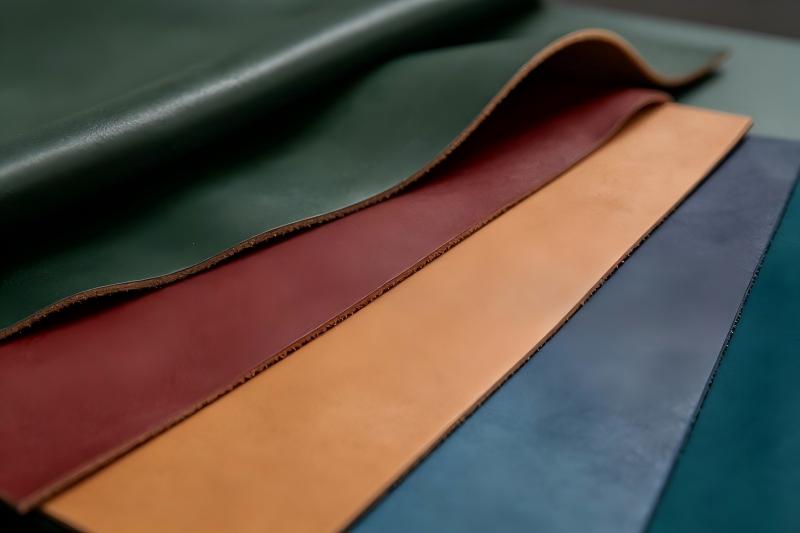
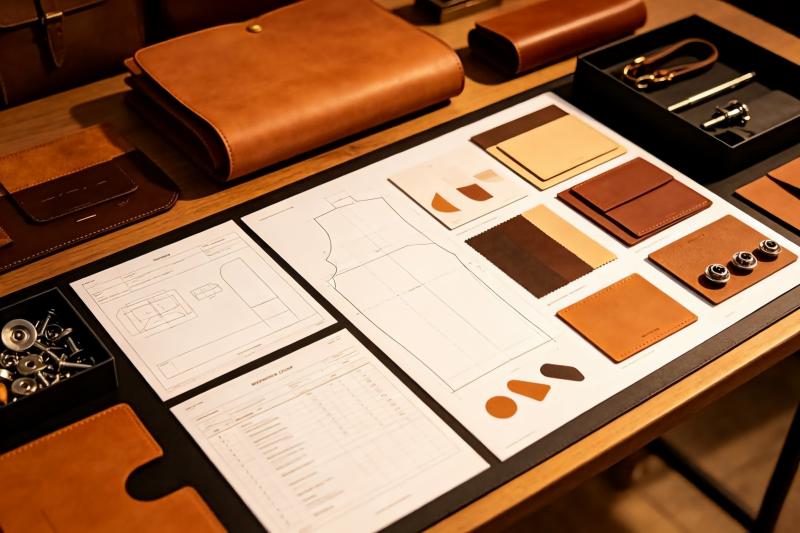
Color should be built as a system. A practical original palette could pair deep green, oxblood, warm tan, black, marine blue and a petrol accent, with a lighter stone or ivory for seasonal contrast. Do not present those colors as an Ettinger-exclusive palette. Approve physical swatches because a dark blue on smooth leather can read differently from the same code on a pebbled finish. Photograph the approved board and keep it with the tech pack.
Traceability should sit beside the color board. Record the supplier, hide type, finish, thickness, lot number, expected yield and backup material for every approved panel. If the buyer markets a British or European craft story, the copy must match the actual production and sourcing evidence. A factory can support responsible documentation, but it cannot fill a gap with a vague claim. Clear provenance protects the buyer when a retailer asks where the leather came from or why two lots look slightly different.
Set a review rhythm for the material board. Recheck color and finish after the first bulk lot, after long storage and after the product has been exposed to normal handling. A leather that looks correct in a supplier room may shift under showroom LEDs or beside a darker lining. Photograph the control sample in the same conditions used for approval and keep a small retained piece for later comparison. This is inexpensive insurance when a reorder arrives several months after launch.
Construction rules for British-inspired restraint
Quiet leather goods are difficult to make well because there is little decoration to hide a construction error. Define corner radii, stitch density, seam allowance, edge-paint layers, fold symmetry, lining tension and reinforcement placement. On a card case, a crooked edge is immediately visible. On a weekend bag, an uneven base changes how the bag stands and how the load transfers through the handles.
For a wallet or small case, test repeated folding, slot recovery, snap alignment and pocket capacity. For a laptop case, confirm device clearance, foam compression, zipper arc and handle attachment. For a portfolio, test document insertion and corner protection. For an overnight bag, load it with the intended clothing volume, cycle the zipper, pull the handles and check the shoulder strap under a realistic weight.
Hardware should be proportionate and original. Use low-profile rings, sliders and pulls whose geometry belongs to the buyer’s brand. Specify plating, base metal, rubbing resistance and attachment method. A restrained finish does not mean an undefined finish. Provide a reference sample under daylight and warm retail lighting, and define the acceptable change between production lots.
Personalisation and corporate gifting as a sourcing workflow
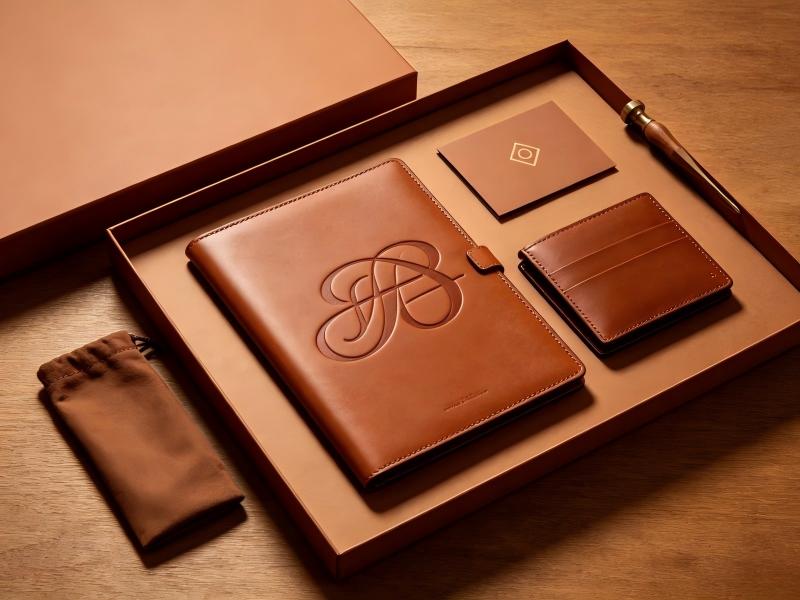
Ettinger’s public site highlights personalisation and corporate gifting, including a traditional embossing machine operated by craftspeople. That is a valuable service signal: a premium leather object can become a gift through controlled customization, not through excessive decoration. An original private-label program can offer initials, dates or a discreet internal mark, provided the buyer owns the artwork and sets the rules.
Personalisation needs its own mini tech pack. Define font, character count, mark size, placement, foil or blind emboss option, lead time, approval step, rejection policy and return treatment. Photograph a signed approval sample before bulk work begins. For corporate orders, confirm recipient data handling, carton labels, delivery schedule and whether each item requires an individual box or a consolidated shipment.
Keep service promises realistic. If a custom mark adds several days, show that lead time before checkout. If a leather color is limited to a small lot, identify it as seasonal. The factory should receive one controlled artwork file, not a sequence of email screenshots. A simple approval log prevents expensive errors and allows a reorder to reproduce the approved placement without copying another brand’s monogram system.
OEM and private-label development gates
For Ettinger factory sourcing, separate brand observation from ownership of the new design. A buyer’s brief should state the customer, use case, target retail band, quantity, material family, color matrix, personalisation service and packaging. It should also list prohibited references: logos, monograms, signature patterns, proprietary hardware and confusingly similar silhouettes.
Our private-label bag manufacturing service can support a documented original capsule. Buyers can compare luxury handbag OEM manufacturing solutions, review the custom sampling process and send project details through the RFQ contact page.
- Range gate: approve the pocket, desk, work and travel ladder, along with target quantities.
- Material gate: approve physical leather, lining, edge paint, hardware and compliance documents.
- Prototype gate: test capacity, fold recovery, comfort, load, closure and visual proportion.
- Personalisation gate: approve artwork, placement, emboss depth, foil and inspection sample.
- Packaging gate: approve pouch, box, care card, barcode, carton marks and compression protection.
- Production gate: lock the pre-production sample, tolerances, inspection points and change-control method.
Keep a signed sample and a digital record. If a supplier proposes a substitute leather or hardware component, compare it against the approved sample and repeat the tests that relate to hand-feel, abrasion, flexing, color transfer and compliance. A lower-cost substitute is acceptable only when it meets the functional and legal requirements of the brief.
Cost engineering should protect the visible touchpoints. Share hidden components where possible, improve cutting yield, rationalize zipper lengths and reduce unnecessary internal layers before weakening a handle or using unstable edge paint. Ask for a bill of materials at prototype, pre-production and bulk stages. Track labor minutes for hand-finishing separately from machine operations so the buyer can decide which details define the hero style and which can be simplified on the entry product.
Quality control for work and travel leather goods
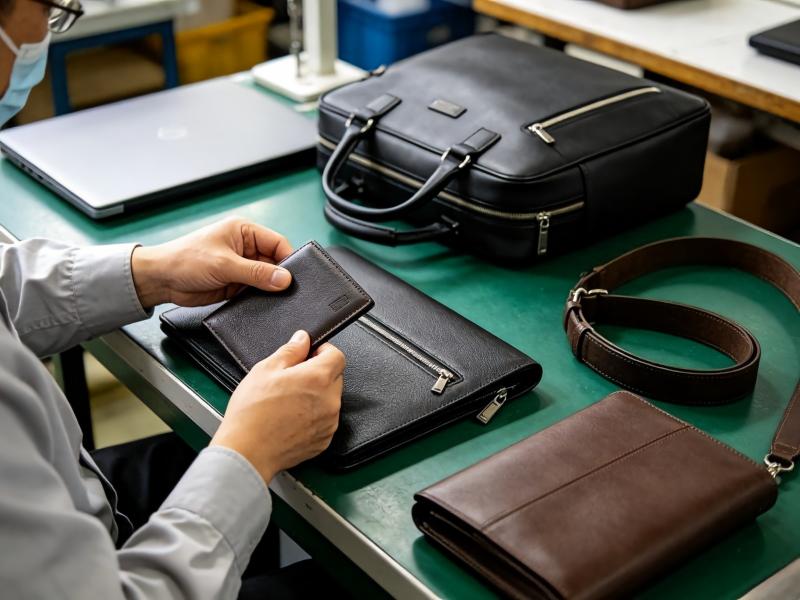
Portable goods experience repeated handling, so quality control should mimic the customer’s day. Flex a wallet and folio through repeated opening cycles. Fill a laptop case with the intended device and check clearance, padding and zipper travel. Pull-test weekend-bag handles and rings. Load an overnight bag, inspect the base and test whether the shoulder strap stays balanced. Record results against the approved sample rather than relying on a generic pass statement.
Small leather goods need high precision. Inspect slot spacing, edge paint, corner radius, lining tension, snap alignment and stitch density. For embossed pieces, compare every mark to the approved artwork and segregate rejects. For travel products, inspect high-wear zones such as handle roots, zipper ends, base corners and shoulder-strap attachments. These controls protect the retail promise of quiet, durable quality.
Packaging should prevent pressure marks and sharp folds. Use breathable protection for leather, support structured openings and keep metal from rubbing against visible panels. Care cards should describe the actual material and avoid untested claims about water resistance or stain protection. For international orders, verify labeling and restricted-substance requirements for the destination market.
Merchandising the capsule by use and occasion
Show the range through moments: desk, commute, overnight stay, weekend travel and corporate gifting. A product page should explain dimensions, capacity, opening, carry mode, material, care and personalisation lead time. In store, place a card case beside a wallet, a laptop case beside a folio and an overnight bag beside a pouch. The connection should be functional, not merely color-matched.
Use permanent neutrals for replenishment and a smaller number of seasonal accents for visual energy. If a color sells well in wallets but not in large bags, preserve it as an entry accent instead of forcing it across every format. Track sell-through by use case and by price band. That tells the buyer whether the hero should be a travel bag, a work case or a giftable small leather good.
Corporate gifting deserves its own line sheet. Show personalization options, minimum quantities, approval timing, packaging choices and delivery windows. The collection should still feel like a finished leather-goods program rather than generic promotional merchandise. A clear corporate brief can become a repeatable channel without changing the consumer range.
For corporate orders, add a privacy and reconciliation step. Confirm the spelling and sequence of every recipient mark, keep personal data in the approved order file and reconcile packed quantities against the final list. Separate rejected or damaged personalized pieces from shippable stock. These controls are small, but they prevent the most expensive type of gifting error: a correct product delivered to the wrong person or a perfect product carrying the wrong mark.
After launch, review the capsule by use case rather than by total revenue alone. Note which pocket items convert as gifts, which work cases generate questions about capacity, which travel bags receive strap or zipper complaints and which colors trigger replenishment. Feed those observations into a focused revision list. A disciplined post-launch loop is how a small leather range becomes a durable private-label program.
Buyer questions before approving production
Which use case leads the range? Choose desk, commute, travel or gifting and make the hero product solve that specific need.
Can the leather be reordered? Confirm hide availability, thickness, color-lot rules, lead time and backup options.
What does personalisation change? Define artwork, placement, approval, production time and the error policy before launch.
Does the bag work when loaded? Test realistic capacity, handle comfort, zipper travel, balance and base stability.
How is originality documented? Keep dated sketches, exclusions, tech packs, material cards, artwork and signed samples together.
What is the reorder trigger? Agree on sell-through, defect rate, supplier capacity and color-lot availability before the first buy.
Turn Ettinger’s craft signals into an original factory brief
Ettinger’s public assortment offers a clear lesson in disciplined leather-goods architecture: small pocket objects, desk accessories, work cases, travel bags, personalisation and gifting can share a material and finish language while serving different customer moments. The B2B opportunity is to build a new system around the same commercial logic, with original patterns, original hardware and a documented identity that belongs to the buyer.
Our custom handbag and custom leather bags services can translate a range map into patterns, prototypes, testing and production controls. Share your target customer, order estimate, leather direction, color matrix, personalization plan and packaging requirements so the factory can return a costed and measurable development route.
The strongest Ettinger factory sourcing strategy is therefore evidence-led. Observe the public product architecture, isolate the useful craft principle, engineer every carrying function and keep ownership of the final design clear from sketch to reorder.
This article is an independent educational analysis. It is not affiliated with Ettinger. We do not produce counterfeit or replica goods, and we do not reproduce protected logos, trademarks, patterns, proprietary designs, hardware, silhouettes, or brand-identifying elements.