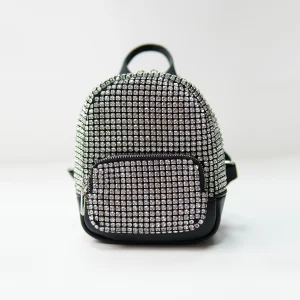
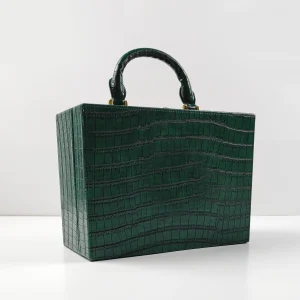
Bembien woven bags offer a practical 2026 retail study in combining handwork, tactile leather, compact utility and giftable storytelling. Current public assortment pages show basket, raffia, leather, shoulder, bucket and compact carry options that can be read as a seasonal merchandising ladder. For private-label and OEM teams, Bembien woven bags show how a material technique can anchor a collection while capacity, color, accessories and packaging create distinct customer roles.
The brand’s SS26 moodboard, published in March 2026, frames the season through quiet nature, 1970s naturalism, earth tones and sun-faded color. It also points to beaded bags, Japanese-basket-inspired woven leather, origami-referenced forms and raffia sourced from Madagascar palms. Those signals make the retail question more precise: how can a naturalist story become a balanced, shoppable capsule?
Why Bembien woven bags matter to 2026 retail planning
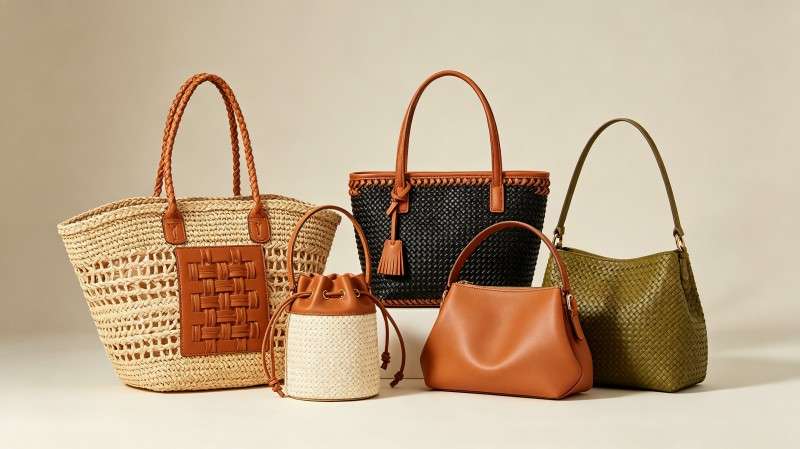
A material trend becomes commercially useful when it can move beyond one editorial image. It needs repeatable technique, controlled variation, clear care, compatible shapes and a customer reason to buy. The public Bembien bag assortment makes woven, raffia and textured surfaces visible across totes, bucket bags and smaller pieces.
Bembien’s June 2026 materials guide names rattan, raffia, bamboo, leather, suede and polished maple beads, alongside Signature, Grande, Carre, Knotted and Basketweave constructions. For a buyer, that vocabulary is useful because it separates a visual mood from a specification that can be sampled and merchandised.
Bembien woven bags are especially instructive because the current assortment does not rely on one material alone. Public listings pair leather, raffia and basket construction with defined sizes, carrying options and small accessories. The technique becomes part of a product system rather than an isolated craft statement.
The trend also sits beside Bembien’s shoulder, bucket, top-handle and compact evening families. Those groups use open baskets, framed bodies and smaller profiles to create different visual rhythms. For an independent brand, the transferable principle is to let material lead one chapter while silhouette and use remain independently designed.
Start a material trend brief with four questions: what technique is visible, what customer occasion does it support, what production tolerance is acceptable, and how will the surface be protected in transit and use? Bembien woven bags provide a public reference for answering those questions carefully.
Seven current retail hotspots in the public Bembien assortment
The first hotspot is the brand’s basket and raffia offer, which gives warm-weather texture a clear seasonal role. Natural fiber surfaces are visually immediate, but they also require a care message and a plan for humidity, abrasion and storage.
The second hotspot is the mix of leather-trimmed and all-leather bodies. This pairing lets a retailer present a higher-structure option beside a lighter basket without making the range feel unrelated. The material contrast can become a useful good-better-best story.
The third hotspot is the shoulder and crossbody group. Adjustable carry options widen the use occasion beyond a resort edit and make tactile surfaces relevant to commuting, travel and weekend dressing.
The fourth hotspot is the top-handle and framed group. A more defined opening gives visual polish for occasion retail, while the same color family can connect it to casual basket shapes.
The fifth hotspot is the bucket and relaxed-volume group. A soft opening changes access and styling, introducing a different rhythm beside a structured tote or compact clutch.
The sixth hotspot is the small evening and mini-bag offer. These formats create an accessible entry point for gifting and allow a retailer to test a material story with lower shelf space.
The seventh hotspot is the supporting small-leather-goods and accessory layer. Card cases, pouches and detachable details can raise basket attachment when compatibility, care and replenishment are clearly managed.
Woven construction needs a technical vocabulary
“Woven” can describe several construction realities: interlaced strips, basket cutwork, embossed texture, hand-braided panels or a surface applied over a stable base. An OEM brief must specify which one is intended. Bembien woven bags publicly use both woven leather and raffia and basket language, so a buyer should not collapse the techniques into one generic request.
For interlaced strips, define strip width, thickness, edge finishing, crossing sequence, tension and anchoring. For a basket effect created through texture or crinkling, define the base leather, process, repeat, depth and acceptable variation. The visible result may be related, but the tooling, labor and quality risks differ.
Build a control sample at the largest planned panel. Small swatches hide tension changes, color movement and edge behavior. Inspect the surface after bending, stuffing, rubbing and exposure to humidity. Record where the pattern can drift and where it must align.
Bembien woven bags show why the material technique must be translated into measurable language before a buyer requests pricing. A factory cannot quote or reproduce a vague mood reliably. It can compare defined constructions, materials, labor steps and inspection standards.
Natural fiber, leather and controlled irregularity
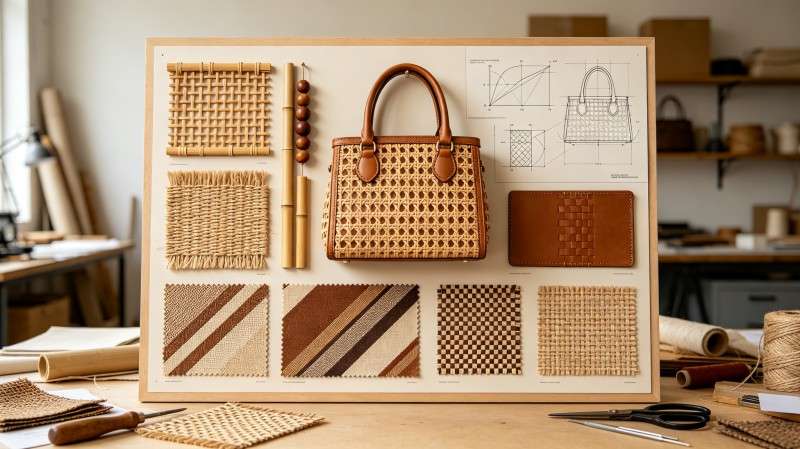
Bembien’s public material mix places raffia, woven fiber and leather close together. This is a useful retail signal because natural variation becomes part of the product explanation rather than a defect to conceal.
Bembien woven bags demonstrate the commercial tension between natural variation and repeatable appearance. A customer may value visible grain movement, while a retailer still needs a recognizable color family. Define the acceptable range using full panels, not only digital images.
Record leather thickness, tannage, finish, backing and moisture response. Test how the surface changes at folds, corners, handle roots and strap attachments. A textured or crinkled panel may require different skiving and edge paint from a smooth panel.
Color naming should not overpromise a uniform tone. Explain that grain movement can vary when the product’s own material evidence supports that statement. For an original collection, create a distinct process and palette rather than borrowing Bembien’s names or surface identity.
Packaging must protect the texture without flattening it. Avoid pressure points, metal contact and plastic film that can imprint the surface. Include storage guidance derived from actual testing.
Bembien woven bags show that craft character can be a reason to buy only when the buyer understands how the material behaves. Technical transparency turns variation into confidence.
Basket gifting creates a retail entry point
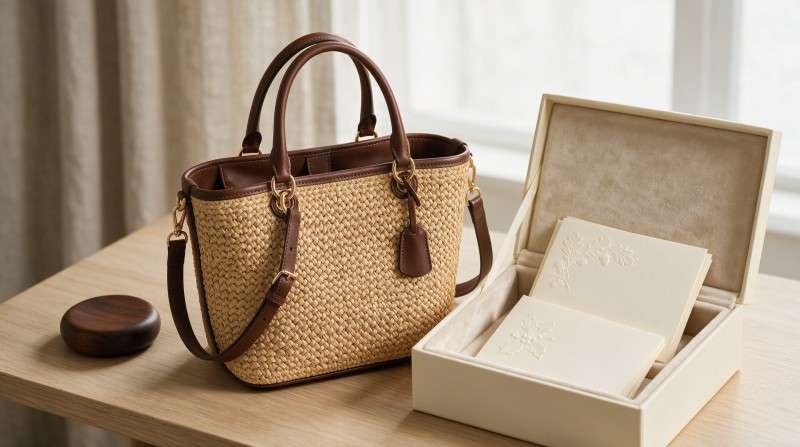
A basket bag paired with an adjustable strap, a detachable detail or a presentation box makes packaging and accessories part of the product, not an afterthought.
Bembien woven bags provide a useful case for gift-led merchandising. A gift box can create a launch moment, but it also adds dimensions, weight, protective material and assembly steps. Buyers should decide whether the box is included, optional or channel-specific.
Accessory compatibility needs its own specification. Define detail weight, attachment point, noise, scratch risk and removal method. A detachable piece should not fall into the opening or snag woven fibers. Paper elements need moisture protection and a documented print standard.
Test the full packed set through shipping simulation. Inspect corners, surface pressure, strap buckles and the relationship between box and dust bag. A beautiful presentation that arrives damaged weakens the trend story.
For an original brand, gifting can express its own cultural or seasonal narrative. Use buyer-owned illustrations, messages and charm forms. Bembien woven bags are research input, not a template for packaging or accessories.
Capacity ladders keep craft commercially useful
Material interest does not remove the need for capacity clarity. A retailer can show a compact evening size, a daily tote and a larger work option as a visible ladder. These roles create a useful progression from essentials to a fuller daily load.
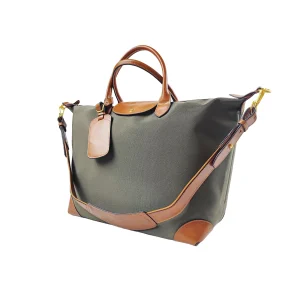
Bembien woven bags show how a surface trend can travel across sizes without flattening every product into one tote. Define a compact daily size, a tablet size and a larger work or travel size. Give each a different opening, base and carry experience.
Physical capacity blocks should include the largest device, case, charger, notebook, bottle, wallet, phone and personal item. Insert the blocks after lining, pockets, foam and closures are installed. Measure retrieval as well as insertion.
Woven or basket panels may need a stable frame to hold shape, but excess reinforcement adds weight. Test empty, half-loaded and fully loaded states. Record stretch, seam opening, panel distortion and handle comfort.
Bembien woven bags demonstrate why a material story becomes stronger when customers can see what fits. Publish dimensions, opening width, empty weight and object lists for the buyer’s own products.
Shoulder and bucket formats bring the trend into everyday carry
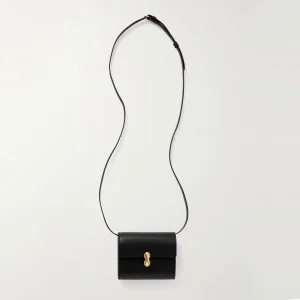
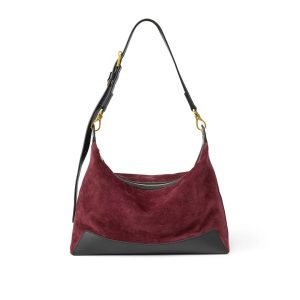
Shoulder and crossbody listings introduce hands-free sizes and darker neutrals. A messenger format asks the material trend to work while moving: the strap must adjust, the opening must remain accessible and the body must stay comfortable against clothing.
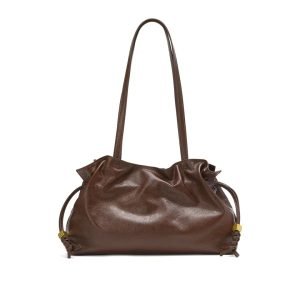
Bembien bucket formats use a spacious compartment and magnetic closure in color families such as Caramel, Cream and Olive. The bucket profile gives a different opening rhythm from a zip tote or framed body. Bembien woven bags become a broader retail reference when material, color and closure change together.
For an original messenger, map the strap angle, center of gravity, access side and pocket location. Test walking, sitting and reaching. For an original bucket, test draw or magnetic closure force, top-edge collapse and object visibility.
Color should signal use. Black or Navy may support formal or urban carry, while Caramel, Cream and Sienna can communicate relaxed everyday styling. Create independent color names and standards, and test transfer against light garments.
Bembien woven bags show that a tactile trend can remain practical when the carry system is designed first. Surface should support, not obstruct, the user’s movement.
For seasonal planning, map these tests to launch gates so merchandising, sourcing and customer-care teams receive the same evidence before production quantities are approved.
Top-handle and mini formats create proportion contrast
Top-handle and larger tote references create a structured anchor, while mini formats introduce a compact architectural idea. Their public listings position them beside, rather than inside, the woven story.
Bembien woven bags gain meaning from that contrast. A collection can let weaving lead one family, folded or roof-like geometry lead another, and capacity lead a third. The result is a portfolio with controlled variation.
For an original framed bag, define corner radius, frame, closure and device fit. A rigid body may protect the material but increase weight. For a soft mini bag, test creases, opening clearance and how the body rests on a surface.
Small bags need honest object lists. A compact public listing may suggest an evening role, but buyers should verify live specifications and test their own materials. Do not infer comfort from weight alone.
Bembien woven bags show why a trend report should include adjacent silhouettes. Material direction is easier to understand when its boundaries are visible.
Accessories create an entry price without diluting the bag
Bembien’s current public materials story includes polished maple beads, small leather goods, pouches and compact carry pieces alongside handbags. These accessories create lower-volume entry points and gift options around the larger collection.
Bembien woven bags can therefore be merchandised with a ladder: hero bag, compatible organizer, charm, card holder and small pouch. Every item needs a clear relationship. An accessory should fit, complement or extend a customer task.
For an original range, define whether the accessory shares material, color or a story with the hero. Do not repeat a protected charm form, logo placement or signature motif. Use independent artwork and attachment standards.
Accessory bundles also affect inventory. Forecast components separately, identify long-lead hardware and prevent a slow charm from blocking a core bag shipment. Packaging should identify compatibility clearly.
Bembien woven bags demonstrate that small add-ons can make a material trend more accessible, but only when they remain useful and honestly described.
How to merchandise a woven trend responsibly
A trend page should lead with the complete product, then reveal technique, capacity, carry and care. Show close texture, full silhouette, interior, loaded state and packaging. Avoid using a macro craft image as a substitute for practical information.
Bembien woven bags benefit from a consistent visual language across tote, bucket and gift-set pages. An independent brand can use the same method while keeping its own photography, names and details.
Use color filters, size comparisons and compatibility notes. If surface variation is expected, explain it in a material note. If a charm is removable, demonstrate the attachment. If the bag is intended for a laptop, show the device and case used in the test.
Retail staff need a short script: what technique is used, what objects fit, how the surface should be cared for and how the product is packaged. This turns a trend into a credible customer conversation.
Bembien woven bags show that material storytelling works best when the customer can connect craft detail to a real use and a clear care decision.
For a seasonal floor set, place the hero texture at eye level, keep a neutral companion within reach, and show the same color story in a smaller accessory. Record sell-through by material and size so the next buy reflects evidence rather than a one-week visual spike.
OEM translation for an original woven and textured range
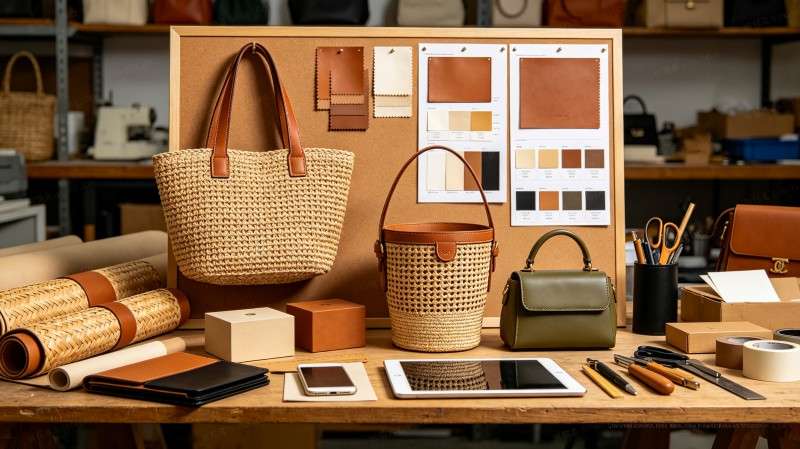
A private-label buyer should begin with a material-and-use matrix. List woven, basket, crinkled and smooth options; then assign each to tote, bucket, trunk, messenger or compact format. Define capacity, carry mode, color role and packaging for every cell.
Our custom handbag development can support buyer-owned woven, textured and leather concepts. The custom handbag sampling process can compare construction, reinforcement, edge treatment and capacity. Buyers remain responsible for rights to supplied artwork and marks.
Use representative samples: one large panel to validate technique, one compact bag to validate scale and one gift set to validate packaging. Approve color standards and acceptable irregularity before quoting a full range.
Our luxury handbag OEM manufacturing solutions can discuss original material programs and inspection criteria. The private-label bag manufacturing service can help organize approved components into a launch plan.
Bembien woven bags remain a public trend reference. Do not request identical Bembien names, patterns, charms, hardware, photographs or other protected expressions.
Retail planning questions for sourcing teams
- Technique: Is the surface woven, basket, crinkled, embossed or braided?
- Tolerance: Which irregularities are intentional and which are defects?
- Capacity: What device and daily objects fit through the finished opening?
- Carry: Does the material remain comfortable under shoulder, hand or crossbody load?
- Gift: Are charms, cards and boxes compatible, protected and independently designed?
- Color: Which shades are core, seasonal, neutral or event-led?
- Service: Are care, storage and replacement guidance based on testing?
- Originality: Are pattern, geometry, hardware, names and artwork buyer-owned?
These questions keep Bembien woven bags in the role of a public material trend while giving sourcing teams a defensible path to an original collection.
Bembien woven bags build a practical retail ladder
Bembien woven bags show how handwork, basket texture, natural variation, gift packaging and capacity ladders can create a coherent 2026 retail conversation. The strongest lesson is not a particular pattern or charm. It is the discipline of connecting craft technique to use, size, carry, care, color and channel.
Brands ready to develop an original woven or textured handbag range can send your RFQ with material goals, capacity blocks, owned drawings, packaging needs and launch timing. Our custom leather bags team can review how those decisions translate into an independent product system.
Bembien woven bags can inform trend research, but the final construction, geometry, hardware, charms, names, artwork and claims must be independently designed and validated.
Independent disclaimer: This article is an independent educational analysis. It is not affiliated with Bembien. We do not produce counterfeit or replica goods, and we do not reproduce protected logos, trademarks, patterns, proprietary designs, hardware, silhouettes, or brand-identifying elements.